
Reviewed · WALKING TOURS
Taipei: Old Town Walking Tour
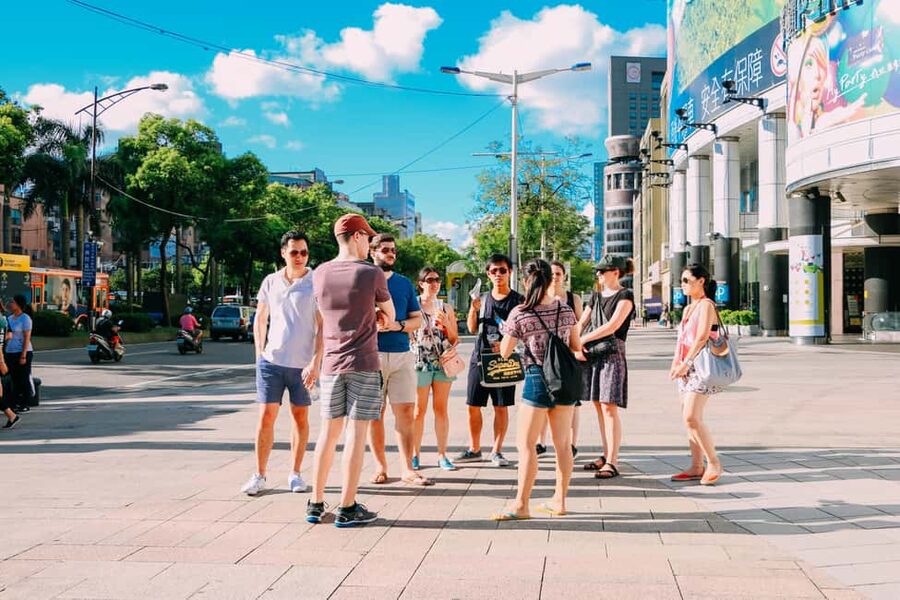
Taipei’s old town makes the most sense on foot, where a quiet memorial park, grand government buildings, old markets, and modern shopping streets sit within one compact route. This 2.5-hour walk links the National Museum of Taiwan, 228 Peace Memorial Park, the Presidential Office, Zhongshan Hall, and the octagonal Red House.
I like the clear historical thread, especially the discussion of the 228 tragedy, and I like the way the route ends in Ximending, where Taipei’s past meets its shopping culture. The main drawback is that this is a walking tour with several stops but no listed museum admission, so you should choose it for context and orientation rather than lengthy indoor visits.
Key points at a glance
- Start at NTU Hospital Station: Meet at Exit 4, at street level, for a simple MRT connection.
- History comes first: The route links the National Museum, 228 Peace Memorial Park, and the Presidential Office.
- The 228 tragedy gets attention: Your guide explains a difficult part of Taiwan’s past in its city setting.
- See Zhongshan Hall: Visit the exterior and learn about this former public auditorium.
- Finish at the Red House: End in Ximending beside the octagonal red-brick building that served as Taipei’s first public market.
- English and wheelchair accessible: The tour is led in English, with private groups available.
Why Taipei’s old town works best as a walking route
Taipei is often introduced through Taipei 101, food tours, temples, or mountain views. Those are worthwhile, but this walk gives you a different starting point. It focuses on the central streets where government, public memory, commerce, and entertainment developed side by side.
The route is useful early in a visit because it helps you place the city’s main central districts. You move from museum and memorial spaces toward government architecture, then into markets and Ximending. Instead of seeing each place as an isolated photo stop, you get a basic sense of how Taipei changed over time.
I also like the scale. Two and a half hours is long enough to build a story, but short enough to fit around lunch, an afternoon plan, or an evening market visit. You will be walking for most of the time, so comfortable shoes matter more than a packed day bag.
The low listed price of $1.10 per person makes this unusual value if that price is available for your chosen date. At that rate, you are paying very little for a local guide, a city introduction, and a useful first look at several central landmarks. Check the final booking price carefully, since activity prices can vary by date, group type, or availability.
Other guided walks around Taipei:
- Taipei Old Town – Taiwan Introduction Walking Tour (Tip-Based)
★ 5.0 · 175 reviews - [Private Tour] Shilin Night Market Walking Tour With a Private Tour Guide (2-hr)
★ 5.0 · 123 reviews - Taipei: 2-Hour Raohe Night Market Walking Tour
★ 4.6 · 69 reviews
Meeting at NTU Hospital Station Exit 4
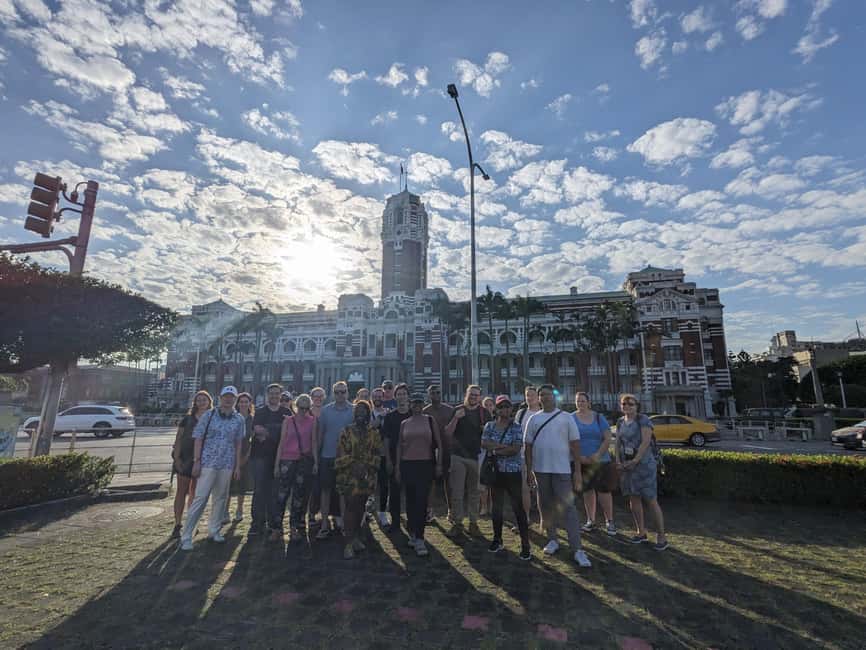
The meeting point is Taipei Metro NTU Hospital Station Exit 4, at street level. That is a practical place to begin because you do not need to search through a large station interior or find a distant hotel pickup point.
Arrive with enough time to identify the exit and check the exact guide instructions. The meeting point is given with map coordinates and a Google Maps link, which helps if you are unfamiliar with Taipei’s central streets.
The activity information lists the location as Nantou County, but the meeting point and route are clearly in Taipei. I would rely on the supplied meeting-point details and confirm the final booking information before setting out, particularly if your confirmation shows a different location label.
The tour is offered in English. The guide names associated with recent departures include Leo, Vincent, and Ale, although the person leading your walk is not guaranteed. Leo is described as energetic and passionate, Vincent as a perfect guide, and Ale as relaxed and good at encouraging questions. Those details suggest that the tone may vary by guide, but the common strength is a spoken explanation rather than a silent landmark checklist.
The National Museum and Taipei’s old town
The first major stop is the National Museum of Taiwan. You stop here for a while as your guide sets the scene for the old town and Taiwan’s development.
The useful part is not simply taking a photograph of the building. A guide can explain why this part of central Taipei matters and connect the museum area to the streets that follow. If you have already visited museums elsewhere in Taiwan, this brief stop still helps you understand the city’s civic center.
Do not plan on a long museum visit during the walk. The schedule is built around seeing several places, not spending an hour inside each one. If the National Museum is a priority for you, treat the tour as an introduction and return independently when you have more time.
This is one of the places where the walking format helps. You are not being whisked from one attraction to another in a vehicle. You see the transitions between the sites, which makes the old town feel like a working part of Taipei rather than a collection of preserved monuments.
228 Peace Memorial Park and a difficult chapter
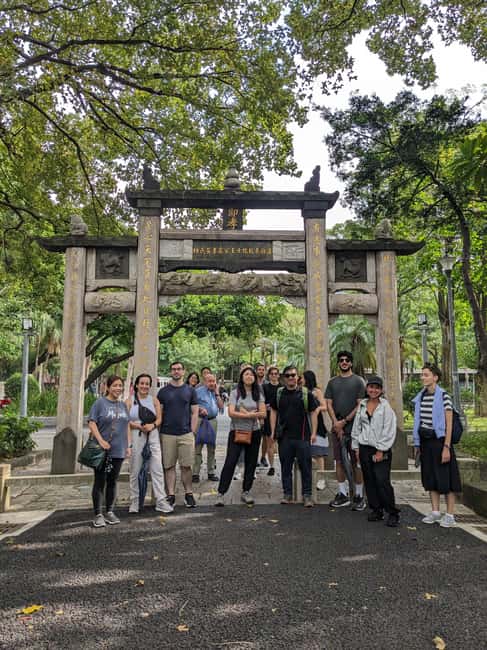
The route continues through 228 Peace Memorial Park. Here the guide explains the 228 tragedy, a painful event in Taiwan’s history that is important for understanding the country’s politics, identity, and public memory.
This part may be the most valuable reason to book the tour. Taipei’s architecture can be admired without much background, but the meaning of the city changes when you understand the difficult events connected with its public spaces. The guide’s job is to explain the subject clearly while you are standing in the setting where that memory is maintained.
The information provided does not promise a long lecture or a formal museum presentation. Expect a stop and an explanation as part of a moving route. If you want a detailed study of the 228 tragedy, this walk will likely serve as a starting point rather than a complete lesson.
I appreciate that the tour does not limit Taiwan’s story to food, shopping, and attractive buildings. One recent participant found the historical explanation factual and useful, while another said it helped clarify cultural details and the way Taiwanese people understand their past. That is exactly the value of this stop: it gives present-day Taipei more context.
Same base, a completely different day out:
- From Taipei: Shifen, Jiufen, and Yehliu Guided Day Trip
★ 4.6 · 1,654 reviews - Full-Day Private Custom Taipei City Tour
★ 5.0 · 911 reviews - From Taipei: Yehliu, Jiufen, and Pingxi Day Tour
★ 4.7 · 892 reviews - Taipei: Jiufen Night View and Shifen Day Tour
★ 4.6 · 870 reviews
The Presidential Office and the city’s public face
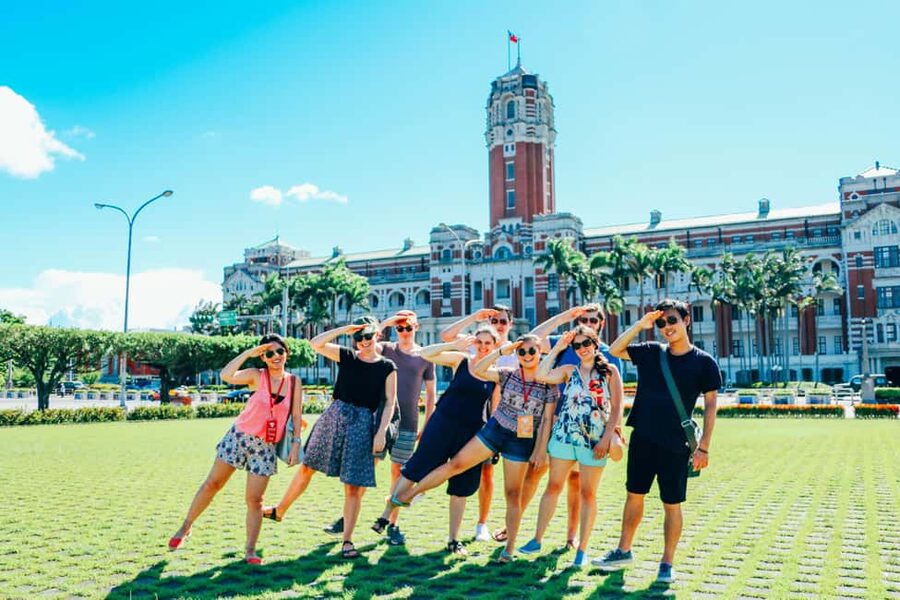
Next you see the Presidential Office, known for its architecture. The route lets you look at this important government building as part of the city rather than as a separate sightseeing outing.
This is primarily an exterior stop based on the supplied itinerary. You should not expect entry into the building unless your guide or booking confirmation says otherwise. The appeal is the chance to see the formal public face of Taipei and hear how it fits into the old town.
For photographers, the building adds a grand architectural pause after the more reflective park. For first-time visitors, it also gives you a clear point of reference in central Taipei. Your guide can help you notice details you might otherwise walk past, but the amount of time here may depend on the pace of the group and street conditions.
The mix of solemn memorial space and official architecture is well judged. Taipei’s story is not presented as one simple tale. You see places connected with government, remembrance, education, and commerce, all within a few blocks of one another.
Markets, stalls, and the everyday city
After the government landmarks, the walk moves toward city markets, with stalls selling souvenirs and other goods. This is where the tour shifts from formal Taipei to the practical, commercial city that residents and shoppers use every day.
The market section is not described as a dedicated food tour, so do not book this walk expecting tastings or a meal. Instead, you get a look at the selling culture of the old town and a chance to browse as you pass through.
This part also keeps the tour from becoming too solemn. After the historical discussion, the markets add movement and ordinary city life. You might find souvenirs worth buying, but keep an eye on the clock if you want to stay with the guide and group.
The route’s balance is a strength. You are not asked to spend two and a half hours listening to dates and political events. You alternate between explanation and observation, with the street itself providing much of the experience.
Zhongshan Hall, a former public auditorium
The next major landmark is Zhongshan Hall, a historic building that once served as a public auditorium. Your guide explains its former role and places it within the development of Taipei’s old town.
This is a good stop for visitors who like buildings with a public purpose. Rather than seeing only temples and shopping streets, you get a reminder that Taipei’s city life also grew around civic halls and shared institutions.
Again, expect a look and explanation rather than a long indoor visit. The route is designed to keep moving. That works well for a short city introduction, but it can feel brief if you prefer to study architecture at close range.
I would listen closely here, especially if you are interested in how cities use public buildings to express authority and community life. Zhongshan Hall helps bridge the gap between the Presidential Office and the more commercial streets ahead.
Ximending and the octagonal Red House
The walk finishes in Ximending, Taipei’s well-known shopping district. This is a practical ending because you can continue exploring after the guide departs. You might shop, eat, or use the area as a base for another part of your day.
The final landmark is the Red House, a red-brick Western-style building shaped like an octagon. It was Taipei’s first public market, which gives the ending a pleasing connection to the earlier market section.
The Red House is more than a colorful backdrop. Its former market role shows how the district changed from a place of trade into a major shopping and entertainment area. You finish with a simple example of Taipei’s ability to reuse old buildings while the surrounding district keeps changing.
Ximending can be a lively place, especially compared with the quieter memorial and civic spaces earlier in the route. That contrast makes the final section memorable. You have moved from formal public history into the city’s modern social life without leaving the old town.
Guide style and what the ratings suggest
The activity has a 4.8 rating from 25 reviews, with repeated praise for the guides’ historical explanations and personal style. I would place more weight on the specific comments than on the number alone.
Leo is described as passionate, informative, and energetic. Another guide, Ale, is described as relaxed and able to make people comfortable enough to ask questions. Iain’s feedback highlights factual history and an impressive memory. A Portuguese-speaking participant also found the English explanation easy enough to follow, despite English not being their first language.
That combination matters. A history walk succeeds or fails on delivery. You need a guide who can explain sensitive subjects without losing the group, answer questions without wandering too far off course, and keep the route moving. The available feedback points in that direction.
Still, a guide’s style can vary. If you want a private group, that option is available and may give you more room for questions or a slower pace. A regular group should suit you if you prefer a social walk and a fixed schedule.
Who should book this walk?
I would recommend it most strongly to first-time visitors who want a historical framework for Taipei. It also suits you if you have already seen the famous skyline and want to understand the central city beyond Taipei 101.
The walk is a good fit for:
- Visitors interested in Taiwan’s political and social history
- People who prefer city streets and public places to long indoor museum visits
- Anyone who wants to finish near shopping, markets, and restaurants in Ximending
- Solo visitors who want a guide to make central Taipei easier to understand
- Families or private groups looking for a short introduction in English
It may not suit you if you want food tastings, temple visits, Taipei 101 views, or a full museum tour. It also may not be ideal if you dislike walking or want extensive time inside each landmark.
The activity is listed as wheelchair accessible, and private groups are available. Since the experience takes place on city streets and includes several stops, confirm any route needs with the provider before booking.
Free cancellation is available up to 24 hours before the activity for a full refund, and you can reserve now and pay later. Those options help if your Taipei schedule is still taking shape.
Should you book the Taipei old town walk?
Book this tour if you want a short, affordable introduction to Taipei that takes history seriously. The route covers more than postcard buildings: it connects the National Museum, 228 Peace Memorial Park, the Presidential Office, Zhongshan Hall, markets, Ximending, and the Red House into one readable story.
The best reason to choose it is the guide-led explanation of Taiwan’s past, especially around 228 Peace Memorial Park. The best practical feature is the ending in Ximending, where you can continue sightseeing without arranging another transfer.
Skip it if your main goal is food, temples, mountain scenery, or extended indoor sightseeing. For everyone else, the low listed price and compact route make this a smart first walk through Taipei’s old town.
FAQ
Where does the Taipei old town walking tour meet?
The meeting point is Taipei Metro NTU Hospital Station Exit 4, at street level.
How long does the tour last?
The walking tour lasts 2.5 hours.
What language is the tour offered in?
The live tour guide speaks English.
Which major landmarks are included?
The route includes the National Museum of Taiwan, 228 Peace Memorial Park, the Presidential Office, city markets, Zhongshan Hall, Ximending, and the Red House.
Does the tour explain the 228 tragedy?
Yes. The guide discusses the 228 tragedy while you explore 228 Peace Memorial Park.
Does the tour enter the National Museum or other buildings?
The activity description says you stop at the National Museum and visit or pass the listed landmarks, but it does not promise extended indoor visits or admission to the buildings.
Is the tour wheelchair accessible?
Yes, the activity is listed as wheelchair accessible.
Can I book a private group?
Yes, a private group option is available.
What is the cancellation policy?
You can cancel up to 24 hours in advance for a full refund.
Can I reserve now and pay later?
Yes. The activity allows you to reserve your place and pay later.
Just added around Taipei
- Iconic Food Tour: Local Street Food, Drinks & Sites★ 4.4 · 3 reviews
- Keelung: Shore Excursion Private 8H Taipei Urban Adventure★ 4.7 · 4 reviews
- Keelung: Heping Island Geopark Entry Ticket★ 5.0 · 3 reviews
- From Taipei: Private Yangmingshan Volcano and Nature Tour★ 5.0 · 9 reviews
- From Taipei: Taipingshan National Forest Private Day Tour★ 5.0 · 6 reviews
- From Taipei: Thousand-Island Lake & Tea Museum Private Tour★ 4.7 · 5 reviews
- From Taipei: Old Gold Rush Town Jiufen Guided Night Tour★ 4.4 · 5 reviews
- From Taipei or Taichung: Sun Moon Lake Day Trip & Boat Ride★ 4.6 · 5 reviews
Walking Tours, compared.
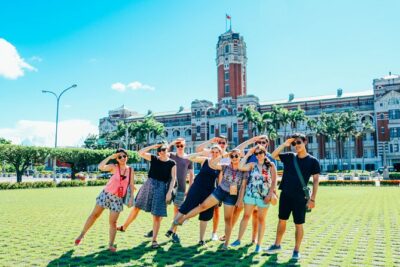
Taipei Old Town – Taiwan Introduction Walking Tour (Tip-Based)
Read our review →![[Private Tour] Shilin Night Market Walking Tour With a Private Tour Guide (2-hr)](https://images.introducingtaiwan.com/wp-content/uploads/private-tour-shilin-night-market-walking-tour-with-a-private-tour-guide-2-hr-400x266.jpg)
[Private Tour] Shilin Night Market Walking Tour With a Private Tour Guide (2-hr)
Read our review →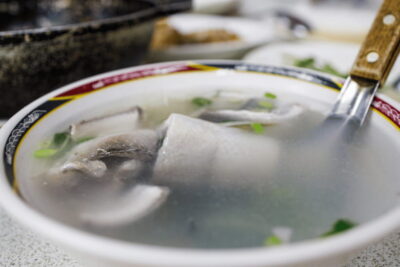
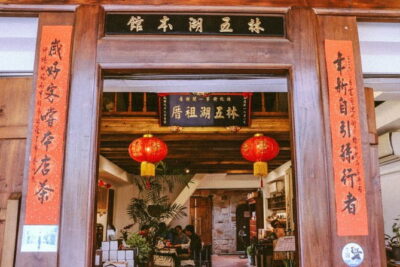
Vintage Taipei – Best of Taiwan & Sunset Walking Tour (Tip-based)
Read our review →
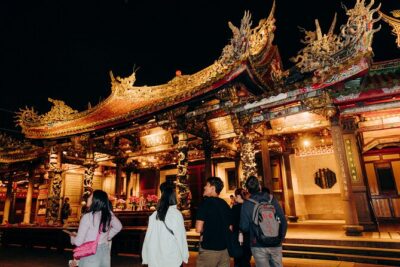
Taipei’s Origin & Longshan Temple – Taiwan Cultural Walking Tour
Read our review →
Private Keelung Cultural Walk: Markets, Streets & Local Life
Read our review →
Browse the lists this tour appears in