
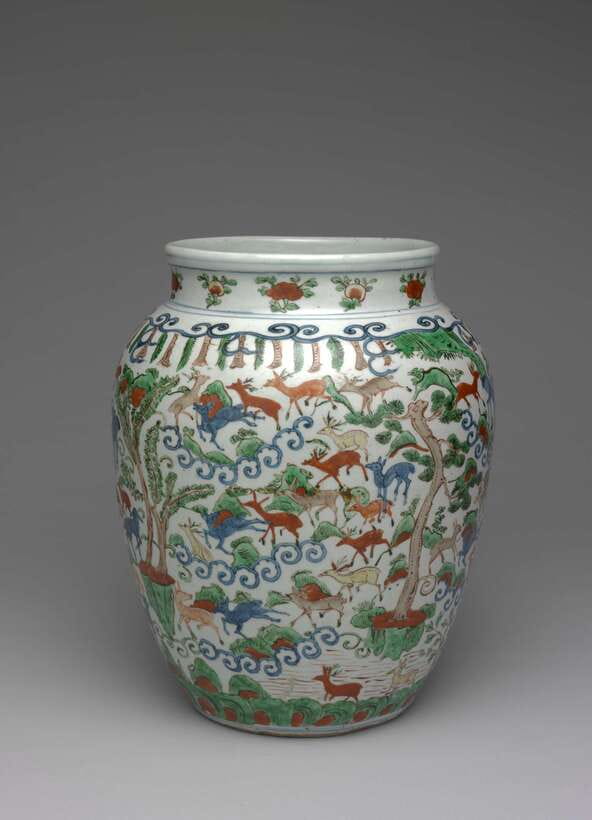
Reviewed · MUSEUMS
Taipei: National Palace Museum and Taiwan Aborigines Museum
Taipei’s best museum pairing puts Indigenous Taiwanese culture beside one of Asia’s great collections of Chinese art. Begin at the Shung Ye Museum of Formosan Aborigines, then walk over to the National Palace Museum for a much larger look at 5,000 years of Chinese history, including the famous jadeite cabbage carving.
I like the contrast between the two stops. I also like the freedom to set your own pace, with enough time for a quick visit or a serious three to four hour museum session. The main drawback is that both museums are mostly indoors and historical, so this day works best if you enjoy objects, films, and careful looking rather than hands-on entertainment.
Key points
- Start at Shung Ye: You must redeem both admission tickets there before visiting the National Palace Museum.
- See two different cultures: The first museum focuses on Taiwan’s Indigenous peoples, while the second covers Chinese art and history.
- Allow three to four hours at the Palace Museum: Its collection is large enough to reward a longer visit.
- Look for the jadeite cabbage carving: It is one of the National Palace Museum’s best-known objects.
- Use the optional audio guide: Commentary is available at Shung Ye if you select that option.
- Plan around opening days: Both museums are open Tuesday through Sunday, not Monday.
Two museums, one useful contrast
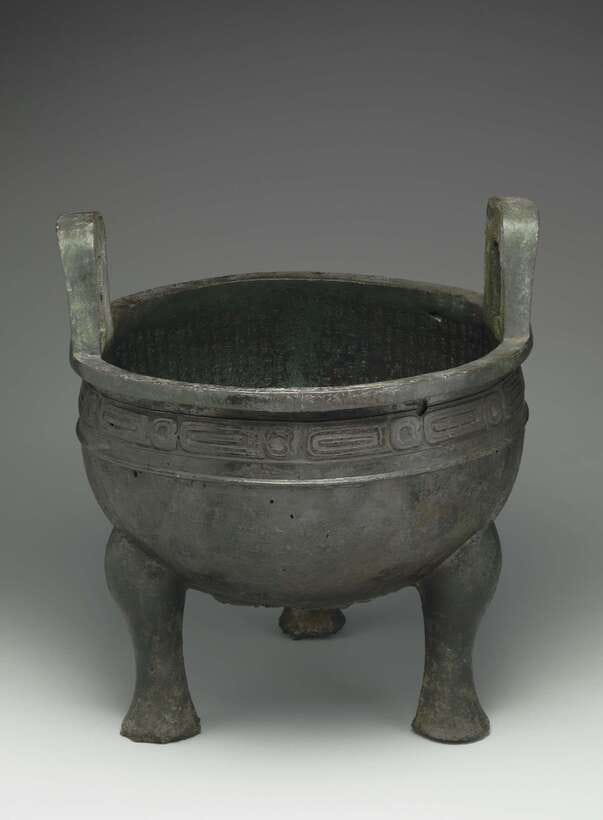
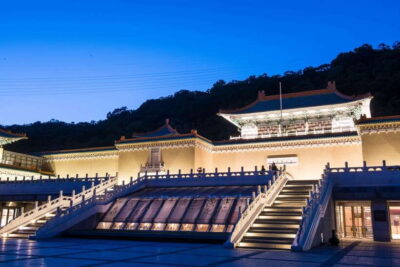
This experience works because the museums answer different questions. At Shung Ye, you learn about the people who lived in Taiwan before modern political borders and outside rule shaped the island. At the National Palace Museum, you see objects connected to Chinese court life, scholarship, religion, craft, and daily use.
That contrast gives your day more balance than visiting the Palace Museum alone. You are not simply looking at beautiful objects in glass cases. You are also considering how Taiwan’s own peoples, customs, clothing, festivals, religions, and ways of life fit into the island’s wider story.
I would not treat the two museums as equal in size. Shung Ye is the smaller stop and can be covered in less time. The National Palace Museum is the main event for most people, with more than 700,000 pieces in its collection, though only part of that collection can be displayed at once.
Other collections worth an afternoon in Taipei:
- Taipei City Morning Tour with National Palace Museum entry
★ 4.0 · 232 reviews - Taipei: National Palace & Shung Ye Aborigines Museums Ticket
★ 4.6 · 16 reviews - From Taipei: Thousand-Island Lake & Tea Museum Private Tour
★ 4.7 · 5 reviews
Starting at Shung Ye Museum of Formosan Aborigines
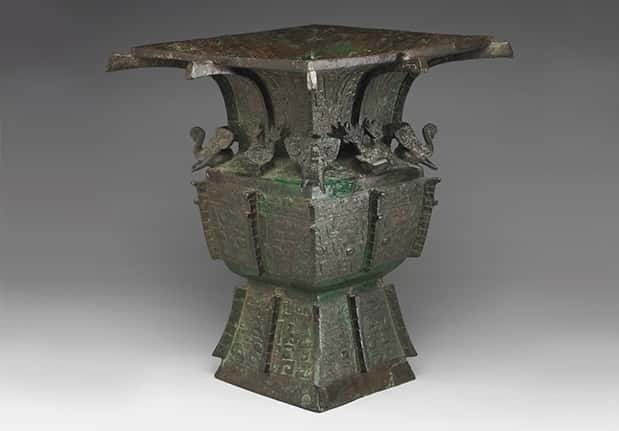
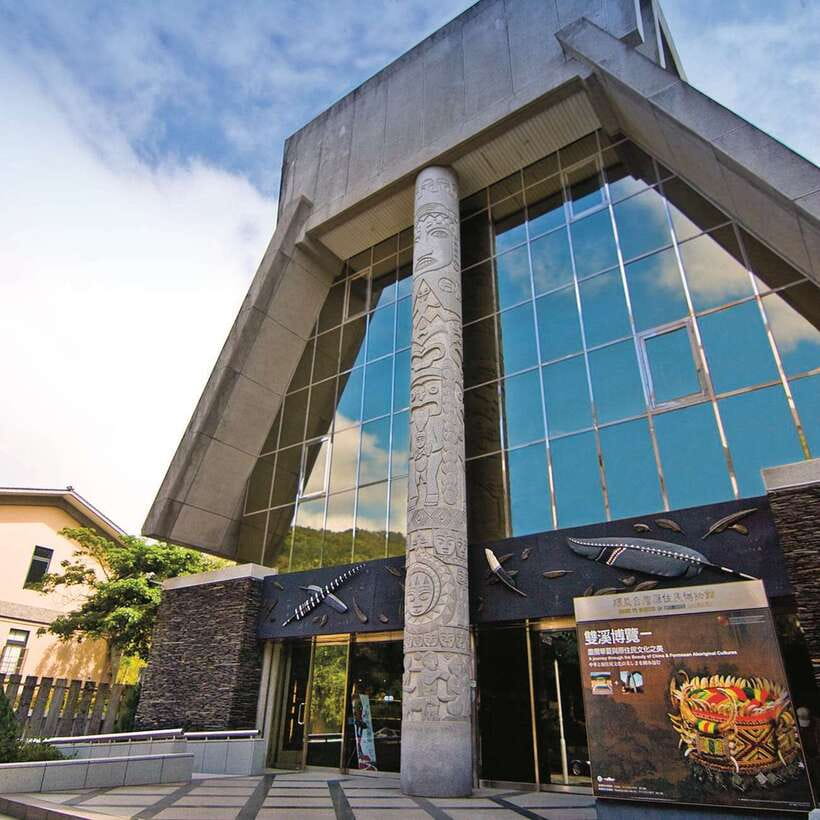
Your first stop is the Shung Ye Museum of Formosan Aborigines at No. 282, Section 2, Zhi Shan Road, in Taipei’s Shilin District. This is where you redeem both tickets, so do not head straight to the National Palace Museum first.
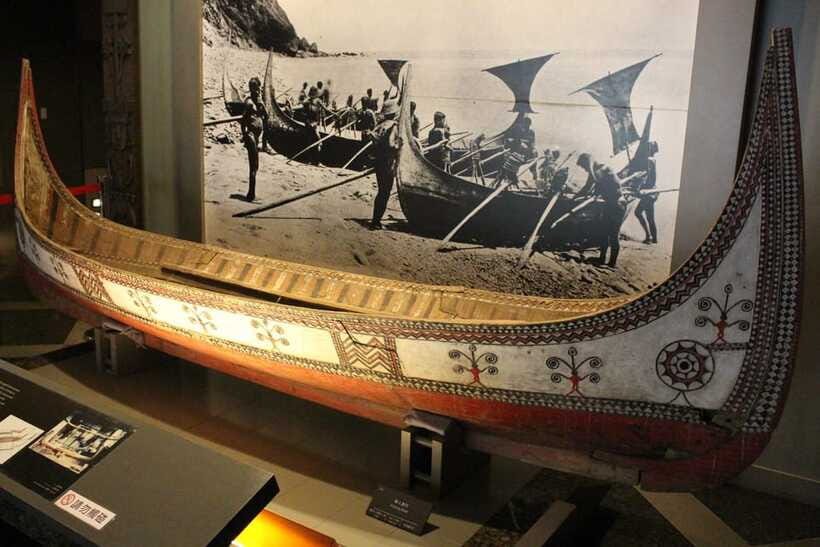
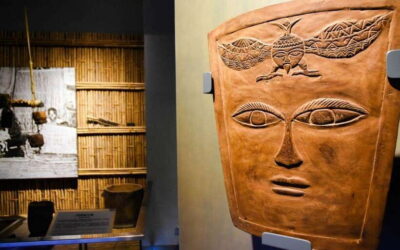
Inside, the exhibits introduce Taiwan’s Indigenous tribes through their clothing, festivals, beliefs, religions, tools, and daily life. The material is useful even if you know little about Taiwan before arriving, since it gives you a basic framework for understanding the island’s original communities.
The museum also covers present conditions for Indigenous people in Taiwan. Films shown in the auditorium add a modern perspective, which matters because displays of traditional clothing and objects can otherwise make living cultures seem frozen in the past.
The museum is not large. That is a benefit if you want a clear introduction without spending half a day on one subject, but it can feel limited if you expect a huge national museum. I would allow around an hour, then use the remaining time according to your interest in the films and displays.
If you choose the audio guide option, the commentary is provided for Shung Ye. It can help you notice details you might pass without context, especially if you are unfamiliar with the many Indigenous groups represented in Taiwan.
The short walk to the National Palace Museum
From Shung Ye, you can take a short walk to the adjacent National Palace Museum. This simple connection is one of the practical strengths of the experience. You do not need to plan a second cross-town trip, and you can move from one museum to the other while the subjects are still fresh in your mind.
The Palace Museum is open from 8:30 a.m. to 6:30 p.m. Tuesday through Sunday. On Fridays and Saturdays, it stays open until 9 p.m., giving you extra room for a slower visit or a later start.
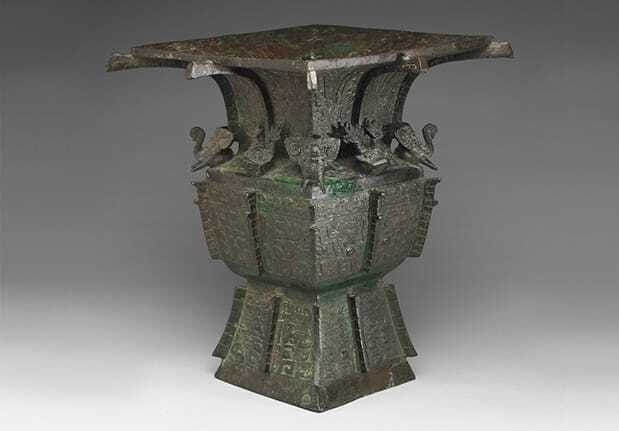
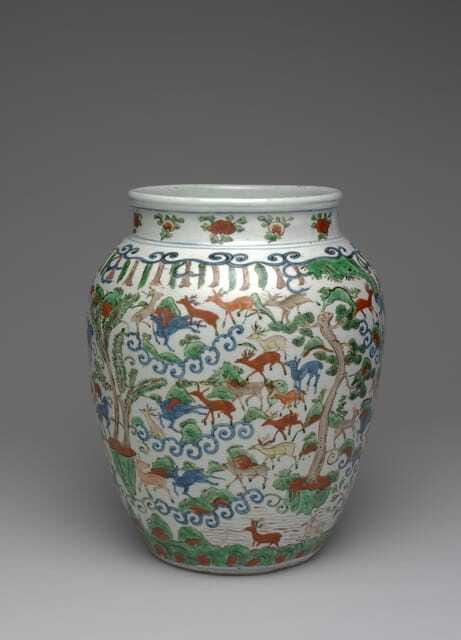
The National Palace Museum is much larger than Shung Ye, and its holdings cover roughly 5,000 years of Chinese history. You will find calligraphy, ceramics, paintings, and many other forms of art connected to Chinese culture and court life.
The ticket gives you the freedom to choose your route. That matters here. A fixed tour can hurry you past objects that interest you, while this arrangement lets you stay longer in a gallery or move on when the material feels repetitive.
The jadeite cabbage and other famous objects
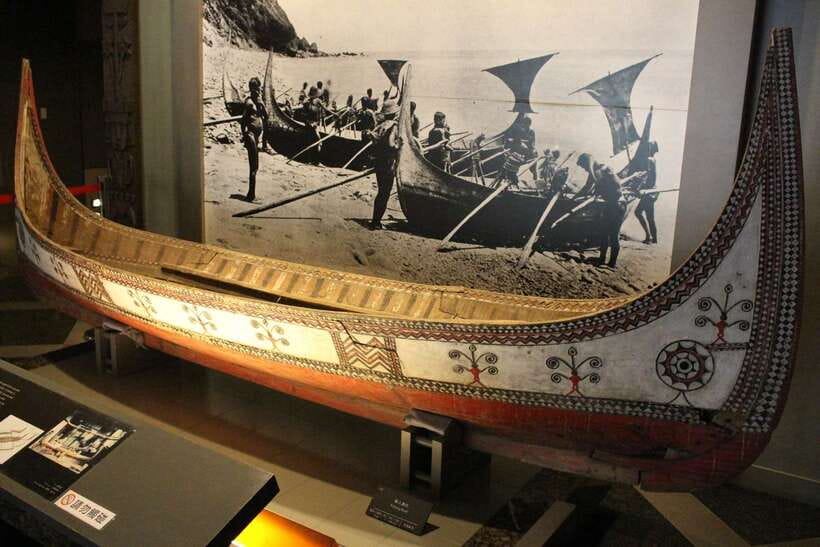
The jadeite cabbage carving is the object many people want to see first. Its small scale and detailed carving make it memorable, especially because the piece turns a familiar vegetable into an elaborate work of art.
Availability and display locations can change, so you should not build your entire visit around one object. Still, it is worth checking for it during your visit, along with the ceramics, paintings, calligraphy, and other works that make the collection important.
One useful point is that the Palace Museum offers more than a single famous carving. A first visit can easily become too focused on a headline object, but the broader collection shows how art changed across centuries and how different materials served different purposes.
Allow three to four hours if you want the Palace Museum to feel like the main part of your day. A shorter visit is possible, but you will need to be selective. I would rather choose a few galleries carefully than rush through every room and remember little.
There is no National Palace Museum audio guide included with this ticket. If you want detailed commentary there, check separately for available guide services or materials. The included audio guide, if selected, applies to Shung Ye only.
Same base, a completely different day out:
- From Taipei: Shifen, Jiufen, and Yehliu Guided Day Trip
★ 4.6 · 1,654 reviews - Full-Day Private Custom Taipei City Tour
★ 5.0 · 911 reviews - From Taipei: Yehliu, Jiufen, and Pingxi Day Tour
★ 4.7 · 892 reviews - Taipei: Jiufen Night View and Shifen Day Tour
★ 4.6 · 870 reviews
Why the Indigenous museum belongs on the same day
Some visitors may be tempted to skip Shung Ye because the Palace Museum is larger and more famous. I think that would miss the point of the pairing.
The National Palace Museum helps explain the Chinese cultural influence that shaped Taiwan. Shung Ye reminds you that Taiwan is also home to its own Indigenous peoples, with distinct languages, traditions, social customs, and religious practices.
The first museum also gives the day a more grounded beginning. Instead of starting with imperial objects and elite art, you begin with communities, clothing, festivals, and daily life. That makes the later visit feel less like a parade of valuable objects and more like part of a wider cultural story.
A café based on Indigenous food is not part of this experience, so do not expect a food component connected to the exhibits. If that kind of cultural presentation matters to you, you will need to make separate plans.
Getting there from Shilin Station
The stated route is straightforward. From Exit 1 of Shilin MRT Station on Taipei’s red line, take bus 255, S18, or S19. Get off at Wesley Girls High School, written in Chinese as 衛理女中.
Because you redeem the tickets at Shung Ye, use the bus route to reach that museum first. Once there, complete the ticket exchange before beginning your visit.
Bring your passport or another ID card. The ticket instructions specifically require identification, so having it with you avoids an unnecessary problem at the entrance.
The activity is wheelchair accessible. That makes the two-museum plan practical for visitors who need accessible facilities, though you should still allow enough time to move between the buildings at your own pace.
Timing your day without rushing
The museums are open Tuesday through Sunday. Shung Ye operates from 9 a.m. to 5 p.m., while the National Palace Museum opens earlier and closes later, especially on Friday and Saturday evenings.
A morning start gives you the most flexibility. You can visit Shung Ye first, walk to the Palace Museum, and still have several hours for the larger collection.
If you prefer a later day, Friday or Saturday offers the most breathing room because the National Palace Museum remains open until 9 p.m. Remember that Shung Ye closes at 5 p.m., so it still needs to be your earlier stop.
I would not try to squeeze both museums into a rushed afternoon. The price is low enough that the experience works as a full museum day, and the Palace Museum alone can fill several hours.
Cameras, lockers, and other practical details
Cameras and flash photography are not allowed. Filming equipment must be left in the onsite lockers, which cost about TWD 20 each.
That rule is easy to overlook if you are carrying a camera for the rest of your Taipei sightseeing. Pack lightly, and plan to use the lockers if you have filming equipment with you.
A locker fee is not included in the ticket price. It is a small extra cost, but you should carry some money for it rather than assuming every storage need is covered.
Children under seven enter free. The museums can suit older children who enjoy history and objects, though the day is primarily educational rather than interactive.
Is the $15 price good value?
At $15 per person, this is a strong-value way to cover two major cultural sites in one day. You receive admission to both museums, and the short distance between them keeps transport costs and planning effort low.
The value is especially good if you already intended to visit the National Palace Museum. The second ticket adds a smaller but worthwhile look at Taiwan’s Indigenous cultures without requiring a separate excursion.
The audio guide changes the value slightly. It is included only if you choose that option, and it applies to Shung Ye rather than the Palace Museum. If you want spoken explanation, select it when booking, but do not expect it to cover the larger museum.
The arrangement is not a guided group tour. You set the pace, choose the galleries, and decide how long to spend at each stop. That makes it a good fit for independent visitors, but anyone wanting a guide beside them throughout the day may find it too self-directed.
Who should book this museum pairing?
I recommend it most strongly to first-time visitors who want a cultural day in Taipei and enjoy setting their own schedule. It also suits anyone who wants more context about Taiwan than a visit to the National Palace Museum alone can provide.
History students, art lovers, and visitors interested in Indigenous cultures should get the most from the combination. The Palace Museum has enough material for a serious visit, while Shung Ye offers a focused introduction to Taiwan’s original communities.
Families can make it work, especially with older children, but young children may find the displays quiet and text-heavy. The free admission for children under seven helps with cost, though it does not change the nature of the museums.
I would be more cautious if you dislike historical museums or prefer active, outdoor sightseeing. One visitor found the experience acceptable but not especially exciting, which is a fair warning: the appeal depends heavily on your interest in art, artifacts, and cultural history.
Should you book it?
Book this experience if you want the National Palace Museum as the main attraction and would like a useful introduction to Taiwan’s Indigenous cultures at the same time. The low $15 price, flexible one-day use, and easy walk between museums make the plan practical.
Start at Shung Ye, redeem both tickets, and allow enough time for the National Palace Museum afterward. Bring identification, leave filming equipment in a locker, and select the Shung Ye audio guide if you want added commentary.
Skip it only if you want a lively guided tour, food, or outdoor activity. For an independent museum day with a thoughtful contrast between Chinese art and Taiwan’s Indigenous cultures, this is a sensible choice.
FAQ
Where do I redeem the tickets?
Redeem both museum tickets at the Shung Ye Museum of Formosan Aborigines. You must visit this museum first before going to the National Palace Museum.
How do I reach Shung Ye Museum by public transport?
From Exit 1 of Shilin MRT Station on Taipei’s red line, take bus 255, S18, or S19. Get off at Wesley Girls High School, also shown as 衛理女中.
How long is the experience valid?
The ticket is valid for one day. You should check availability for the starting times offered when you book.
What are the museum opening hours?
Shung Ye is open from 9 a.m. to 5 p.m. Tuesday through Sunday. The National Palace Museum is open from 8:30 a.m. to 6:30 p.m. Tuesday through Sunday, with hours extended to 9 p.m. on Fridays and Saturdays.
Is an audio guide included?
An audio guide for the Shung Ye Museum is included only if you select that option. An audio guide for the National Palace Museum is not included.
Can I take photographs?
Cameras and flash photography are not allowed. Filming equipment must be stored in the onsite lockers, which cost about TWD 20 each.
Do I need identification?
Yes. Bring your passport or an ID card when you visit.
Is the experience wheelchair accessible?
Yes, the activity is listed as wheelchair accessible. Children under seven can enter free.
Just added around Taipei
- Taipei: Yangmingshan, Yehliu, and Jiufen Shifen Day Tour★ 5.0 · 6 reviews
- Taipei: Yangmingshan, Shifen, Jiufen & Yehliu Private Tour★ 4.9 · 11 reviews
- Taipei: Yangmingshan National Park Half-Day Tour★ 4.3 · 12 reviews
- Taipei: Private Tour with Locals – Highlights & Hidden Gems★ 4.7 · 14 reviews
- Taipei Private Custom Tour with a Local: Icons & Hidden Gems★ 3.7 · 6 reviews
- Taipei Private Walking Tour with a Local★ 5.0 · 11 reviews
- Taipei: Highlight Attractions Walking Tour★ 4.6 · 13 reviews
- Taipei: City Highlights Private Sightseeing Tour with Guide★ 4.9 · 11 reviews
Museums, compared.
Taipei City Morning Tour with National Palace Museum entry
Read our review →
National Palace & Shung Ye Aborigines Museums Ticket
Read our review →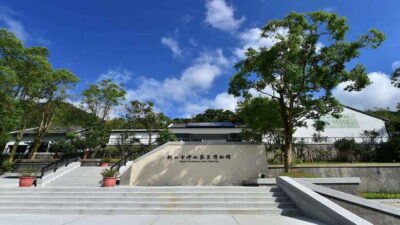
Browse the lists this tour appears in