
Reviewed · MUSEUMS
Taipei: National Palace & Shung Ye Aborigines Museums Ticket
Taipei’s National Palace Museum holds an astonishing sweep of Chinese art, from ancient bronze vessels to the famous Jadeite Cabbage and Meat-Shaped Stone. Across town, or rather across the museum district, the smaller Shung Ye Museum gives Taiwan’s 14 recognized Indigenous tribes their own place in the story.
I like this ticket for two clear reasons: it pairs imperial Chinese culture with Taiwan’s Indigenous cultures, and it costs only $12 per person for one day of admission. The QR code makes entry simple, and an audio guide can help you make sense of the National Palace Museum’s huge collection.
The main drawback is the imbalance between the two museums. The National Palace Museum can occupy several hours, while Shung Ye is small enough to see in about 30 minutes. Wheelchair access is limited, and no guide, meals, or transportation are included.
Key points at a glance
- See two very different sides of Taiwan: Chinese court art and the cultures of Taiwan’s 14 recognized Indigenous tribes.
- Look for the Jadeite Cabbage and Meat-Shaped Stone: These are the National Palace Museum’s most famous small objects.
- Plan more time for the National Palace Museum: Its collection covers more than 5,000 years and can feel overwhelming without a plan.
- Keep expectations modest at Shung Ye: It is important and worthwhile, but much smaller and narrower in scope.
- Use the one-day ticket wisely: The museums suit a self-guided day, with no hotel pickup or guided tour included.
- Remember the practical limits: No flash photography or food in exhibit areas, and wheelchair access is limited.
Why these two museums belong together
At first glance, the National Palace Museum and Shung Ye Museum of Formosan Aborigines seem like an odd pair. One focuses on thousands of years of Chinese art and court culture. The other concentrates on Taiwan’s Indigenous peoples, their tools, clothing, ceremonies, and daily life.
That contrast is exactly why I like the combination. Taiwan’s past cannot be reduced to one story. The National Palace Museum helps explain the Chinese artistic and political traditions that shaped much of East Asian culture. Shung Ye gives you a chance to see Taiwan through the traditions of the people who lived on the island long before later occupations and outside powers.
You should not expect two equal-sized museum visits. The National Palace Museum is the main event. Shung Ye is a short but useful companion stop. Taken together, they give you a broader picture than either museum could provide alone.
The ticket is valid for one day, so you have room to set your own pace. You can spend several hours with the major museum and then make time for Shung Ye without treating the smaller museum as an afterthought.
Other collections worth an afternoon in Taipei:
- Taipei City Morning Tour with National Palace Museum entry
★ 4.0 · 232 reviews - From Taipei: Thousand-Island Lake & Tea Museum Private Tour
★ 4.7 · 5 reviews - Taipei: National Palace Museum E-Ticket
★ 4.4 · 273 reviews
Starting with 5,000 years of Chinese art
The National Palace Museum’s collection covers more than 5,000 years of Chinese history. That number matters because it changes how you should approach the visit. You are not simply walking through a small group of famous objects. You are entering a very large storehouse of painting, calligraphy, ceramics, bronze work, carved objects, and other works linked to different Chinese dynasties and periods.
The most practical advice is to choose a focus before you start. If you try to see everything, the number of objects can blur together. The museum is manageable in layout, but its collection is not small. Give yourself permission to slow down in front of a few important works rather than racing past hundreds of cases.
The display of Bronze Ritual Vessels is a good place to think about how art and power once worked together. These objects were not made only for decoration. Their forms and inscriptions connect them to ceremony, authority, and the social order of ancient China.
The calligraphy displays offer a different experience. A scroll may look quiet compared with a large painting or ornate vessel, but the brushwork carries much of the meaning. If calligraphy is new to you, an audio guide can be especially useful. It helps explain what you are seeing and directs your attention to details that might otherwise pass unnoticed.
Finding the Jadeite Cabbage and Meat-Shaped Stone
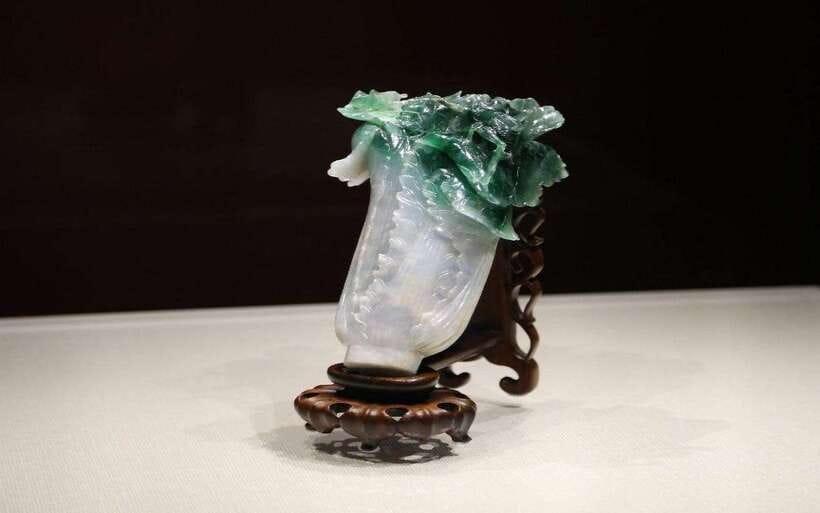
The Jadeite Cabbage is the object many people arrive hoping to see. It is a small jade carving shaped like a cabbage, with careful color changes in the stone used to suggest the vegetable’s leaves. Its appeal comes from the combination of natural material, close observation, and extremely fine carving.
The Meat-Shaped Stone is another famous piece. Its form resembles a cooked piece of pork, with layers and color variations in the stone creating the effect. These works are easy to remember because they make a surprising point: museum art does not always need to be grand or solemn. A tiny object can show extraordinary skill and invite a smile.
Displays can change, and the most famous objects may not always be presented in exactly the same way. If one of these pieces is a priority, check the current museum information when you arrive. Either way, the broader collection is the reason to visit, not just a single star object.
I recommend allowing enough time to look beyond the headline pieces. The museum’s appeal is strongest when you connect the famous carvings with the wider groups of paintings, vessels, ceramics, and calligraphy around them.
Making sense of the National Palace Museum
A self-guided visit gives you freedom, but it also places the work of choosing in your hands. There is no guided tour included with this ticket. That is good news if you prefer to move independently, but less helpful if you want a clear story delivered from room to room.
I would consider an audio guide if one is available during your visit. It can help you pick out key objects and understand why they matter, especially when the collection begins to feel like too much. Multilingual staff are also available to help with basic museum questions.
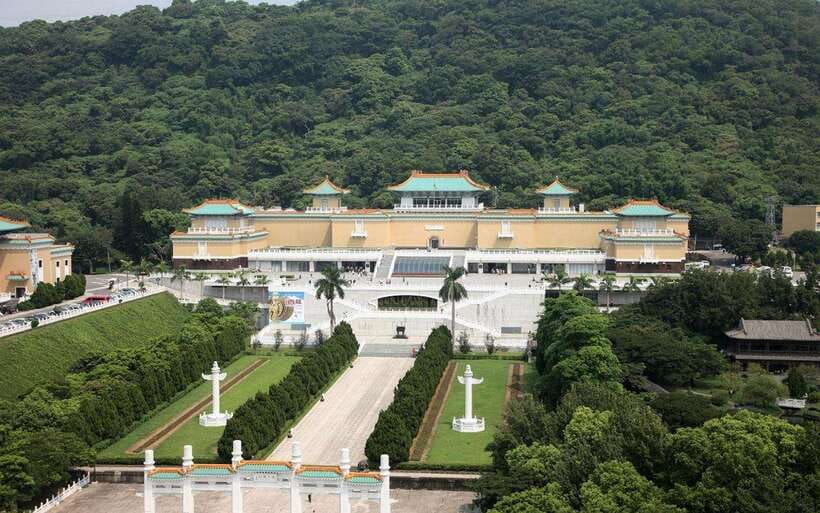
The setting adds to the visit. The museum sits on a hillside, giving the approach a sense of arrival that feels different from entering a city-center gallery. You should still plan for a museum visit rather than a quick photo stop. The major attraction is what is inside, and the scale of the holdings rewards patience.
Photography rules are straightforward. Flash photography is not allowed. Food and drinks are also not permitted in exhibit areas, so finish your snack before entering the galleries or keep it outside the displays.
Other tickets worth booking ahead in Taipei:
- Taipei: Taipei 101 Observatory Deck Entry Ticket
★ 4.6 · 847 reviews - Full-Day Tour in Shifen, Jiufen & Yehliu of Taipei (Incl. ticket)
★ 4.5 · 164 reviews - Taipei 101 Observatory Deck Ticket
★ 4.0 · 22 reviews - Taipei: Zoo Entrance Ticket
★ 4.1 · 15 reviews
A different Taiwan at Shung Ye Museum
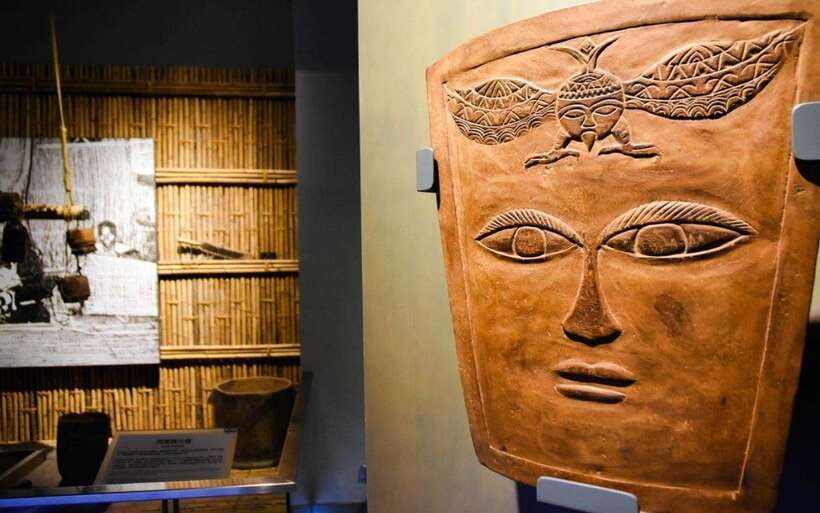
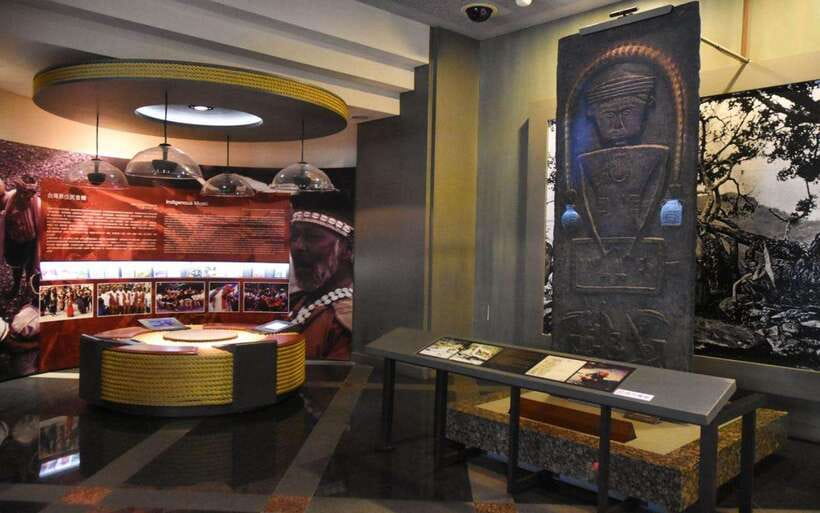
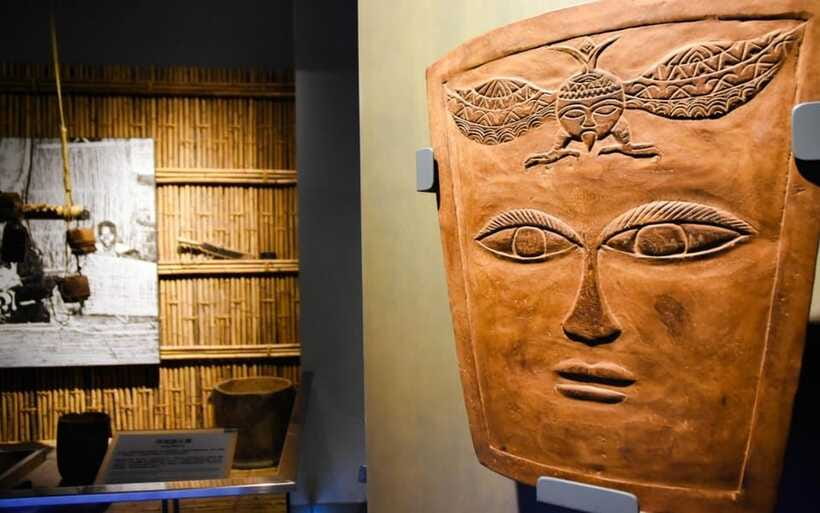
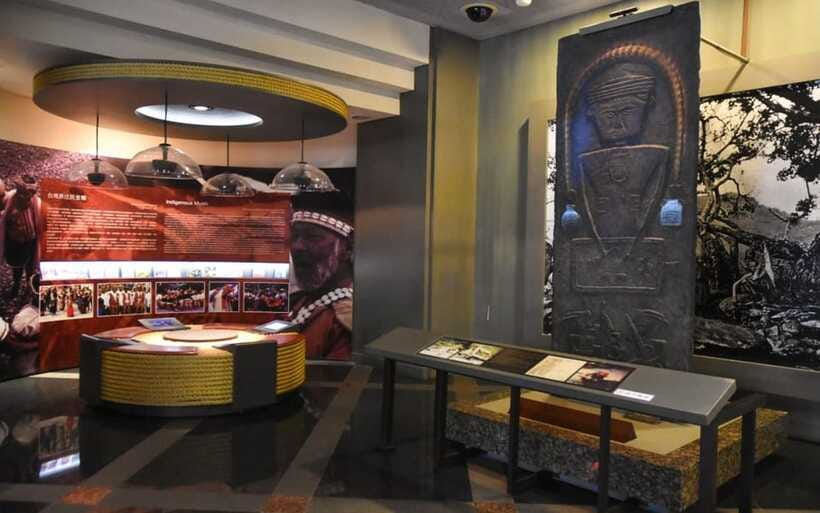
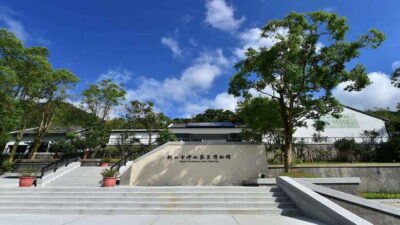
The Shung Ye Museum of Formosan Aborigines is much smaller, but its subject gives it weight. The museum presents the history and cultures of Taiwan’s 14 recognized Indigenous tribes through traditional clothing, hunting tools, ceremonial items, handicrafts, and other objects.
This is not simply a second collection of old objects. The exhibits help you think about language, identity, daily work, belief, and relationships with the island. The Indigenous cultures of Taiwan have faced severe pressure from colonialism and occupation, so the museum also adds a necessary human and political dimension to your day.
You can move through the museum quickly, perhaps in around 30 minutes, but I would avoid treating that as a reason to skip it. Its smaller size makes it easier to absorb one theme at a time. You may find the multimedia displays particularly useful because they connect objects with Indigenous traditions and ways of life.
The museum is narrow in scope compared with the National Palace Museum. If you want a large number of galleries or a long afternoon visit, it may feel brief. If you want a focused introduction to Taiwan’s Indigenous peoples, the short visit works well, especially after the enormous range of the National Palace Museum.
A one-day plan that keeps the pace comfortable
Because the ticket is valid for one day, you can build a schedule around your interests. I would give the National Palace Museum the larger share of your time, then visit Shung Ye while you still have enough energy to read and think.
A useful plan looks like this:
- Begin with the National Palace Museum and choose a few collection areas.
- Set aside time for the Jadeite Cabbage, Meat-Shaped Stone, bronze vessels, and calligraphy.
- Take a break outside the exhibit areas if needed, since food and drinks are not allowed inside.
- Visit Shung Ye for a focused look at clothing, tools, ceremonial objects, and multimedia displays.
- Leave time for your own route between the museums, since hotel pickup and drop-off are not included.
Starting times depend on availability, so check the booking information before you commit to a schedule. This is a ticket rather than a fully arranged excursion. You receive admission, but you are responsible for getting between stops and deciding how long to stay.
The skip-the-ticket-line feature can save some waiting at entry. It does not turn the visit into a guided tour, and it does not guarantee that the galleries themselves will feel quiet. The useful advantage is simple: you can get inside with less fuss and spend more of your day looking at the collections.
What the $12 ticket is really worth
At $12, this is a strong-value cultural ticket. Admission to two museums, access to permanent and special exhibits, and a full day of flexibility make the price easy to justify if you already plan to visit the National Palace Museum.
The value comes less from equal time at both museums and more from the range of subjects. You get the largest collection of ancient Chinese artifacts in the world alongside a focused introduction to Taiwan’s Indigenous cultures. That pairing would be harder to recreate with separate visits.
You should remember what the price does not cover. There is no guided tour, food, drink, hotel pickup, or hotel drop-off. An audio guide is worth considering, but it is not listed as part of the admission package. If you prefer an arranged day with transportation and a guide explaining every room, this ticket may feel too basic.
For independent visitors, the low price is a benefit. You can linger over a favorite scroll, move quickly through a familiar section, or spend extra time with the Indigenous displays without following a group schedule.
Who will enjoy this museum pairing
I recommend this experience most strongly to people who enjoy history, art, and cultural context. It works well for a first visit to Taipei because it introduces both the Chinese traditions associated with the city and the Indigenous cultures of Taiwan.
Families with older children may also find the Jadeite Cabbage and Meat-Shaped Stone memorable. Their unusual shapes offer an easy entry point before you move toward more demanding displays such as calligraphy or ritual objects.
You may want to adjust your expectations if you need step-free access or use a wheelchair. Accessibility is limited, and the experience is listed as unsuitable for wheelchair users. That is an important issue to confirm before booking.
You should also think about your attention span. The National Palace Museum can feel overwhelming if you try to cover every object. The best visit is selective and unhurried, with a short list of priorities rather than a mission to see every room.
What to know before you go
Entry is simple: the ticket can be scanned as a QR code at the entrance. Keep your phone ready, but do not expect a guide to meet you or lead you through the buildings.
Flash photography is prohibited inside both museums. Food and drinks are not allowed in exhibit areas, so plan breaks outside those spaces. Since the ticket is valid for one day, check the available starting times and organize your route before setting out.
You can cancel up to 24 hours in advance for a full refund, and reserve now while paying later. Those options are useful if your Taipei schedule is still changing.
The museums differ sharply in size. If you have only limited time, prioritize the National Palace Museum. If you have a full day, Shung Ye adds an important perspective and keeps the visit from becoming only a study of court art and Chinese antiquities.
Should you book this ticket?
Book it if you want a low-cost, self-guided cultural day with two distinct subjects. The National Palace Museum provides the major collection and the famous objects, while Shung Ye gives you a focused look at Taiwan’s 14 Indigenous tribes.
Skip it if you want a guided tour, included transportation, or a balanced two-museum itinerary with both stops the same size. Also think carefully about the limited wheelchair access.
For most independent visitors interested in Taiwan’s art and culture, I would book it. Go in with a plan, use an audio guide if available, and allow the smaller Shung Ye Museum to be brief but meaningful rather than expecting another National Palace Museum.
FAQ
How long is the ticket valid?
The ticket is valid for one day.
What museums does the ticket include?
It includes admission to the National Palace Museum and the Shung Ye Museum of Formosan Aborigines.
Are special exhibits included?
Access to permanent and special exhibits is included.
Is a guided tour included?
No. Guided tours are not included.
Is transportation included?
No. Hotel pickup and drop-off are not included.
Can I cancel for a refund?
Yes. You can cancel up to 24 hours in advance for a full refund.
Is the experience suitable for wheelchair users?
The museums have limited wheelchair accessibility, and the experience is listed as unsuitable for wheelchair users.
Just added around Taipei
- Keelung: Shore Excursion Private 8H Taipei Urban Adventure★ 4.7 · 4 reviews
- Keelung: Heping Island Geopark Entry Ticket★ 5.0 · 3 reviews
- Iconic Food Tour: Local Street Food, Drinks & Sites★ 4.4 · 3 reviews
- From Taipei: Private Yangmingshan Volcano and Nature Tour★ 5.0 · 9 reviews
- From Taipei: Taipingshan National Forest Private Day Tour★ 5.0 · 6 reviews
- From Taipei: Thousand-Island Lake & Tea Museum Private Tour★ 4.7 · 5 reviews
- From Taipei: Old Gold Rush Town Jiufen Guided Night Tour★ 4.4 · 5 reviews
- From Taipei or Taichung: Sun Moon Lake Day Trip & Boat Ride★ 4.6 · 5 reviews
Museums, compared.
Taipei City Morning Tour with National Palace Museum entry
Read our review →
Browse the lists this tour appears in