
Reviewed · TOURS IN TAIPEI
Taipei: Chiang Kai-Shek Shilin Residence Ticket
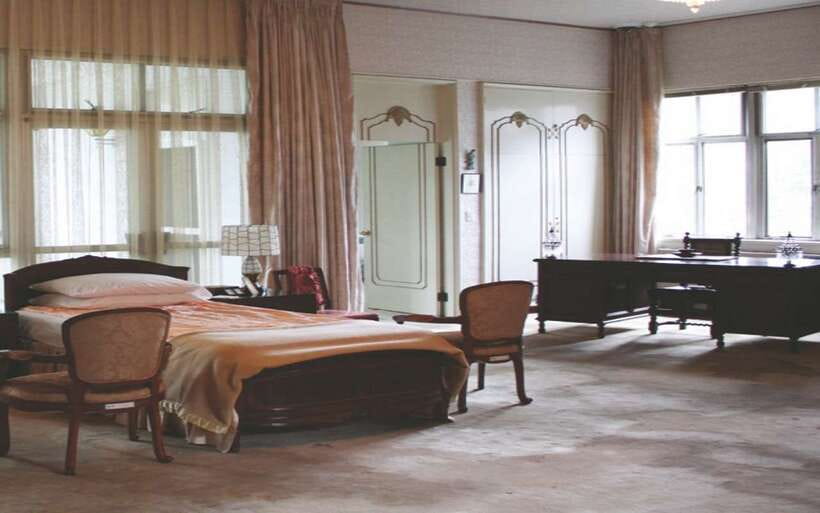
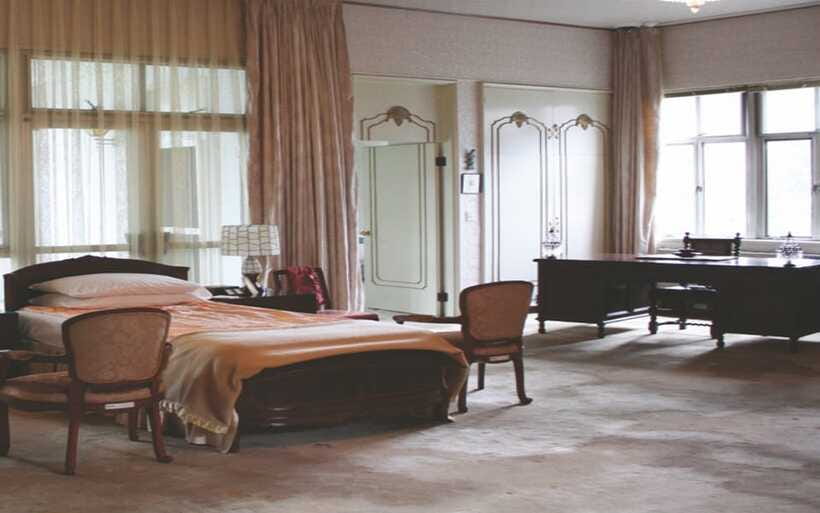
Chiang Kai-Shek Shilin Residence gives you a rare look at the private side of one of Taiwan’s best-known political figures. The simple two-story house, hidden among trees and gardens, feels far less formal than a government hall. I like the restored living spaces, which help you picture family life, and the inner garden, where flowers, birds, and fish reflect the household’s quieter side.
The ticket also includes an audio guide in Chinese, English, or Japanese, a useful touch when the rooms need context. The main drawback is the strict opening schedule: the residence closes every Monday and shuts for several hours at midday, so you need to plan your visit rather than drop in at any time.
Key Points to Know Before You Go
- The house began as a 1949 government guesthouse, then expanded during Chiang Kai-Shek’s lifetime.
- Dark-green walls helped the residence blend with the woods, a practical security choice rather than a decorative one.
- Your ticket covers both floors of the main building, plus the inner garden and an audio guide.
- Chinese, English, and Japanese audio guides are available, so you can explore without a live guide.
- The residence closes from 12:00 to 13:30, making an early morning or midafternoon visit easiest.
- The ticket costs about $3.17, a modest price for a short cultural stop in northern Taipei.
A Political Home Made Practical
Chiang Kai-Shek Shilin Residence was built on the foundation of a guesthouse constructed by the Taiwan Provincial Government in 1949. That date matters. The building belongs to the period when Taiwan’s modern political story was taking shape, but the house itself was not designed as a grand palace.
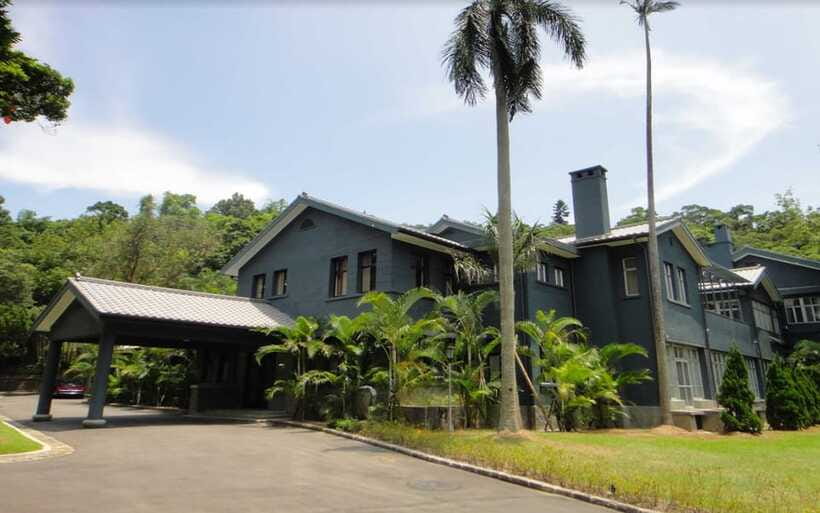
Instead, you find a practical two-story structure with a slanted roof. Wood and reinforced concrete work together in the construction. The design combines Chinese and Western influences, giving the home a more personal feel than an official government building.
I find the simplicity useful. You do not need to work through a large collection of grand halls to understand the place. The scale lets you focus on how a powerful political family lived behind closed doors.
The house was expanded while Chiang Kai-Shek was still alive. It later underwent restoration beginning in 2006, with the project completed in November 2009. The restored rooms give you a clearer sense of the building’s layout and domestic purpose.
The residence was also built with protection in mind. The main house, servants’ quarters, and guards’ quarters were painted dark green. The color helped the buildings blend with the surrounding woods. It is a small detail, but it gives the property a practical edge. You are not looking only at decoration. You are seeing how security shaped the home.
Other tickets worth booking ahead in Taipei:
- Taipei: Taipei 101 Observatory Deck Entry Ticket
★ 4.6 · 847 reviews - Full-Day Tour in Shifen, Jiufen & Yehliu of Taipei (Incl. ticket)
★ 4.5 · 164 reviews - Taipei 101 Observatory Deck Ticket
★ 4.0 · 22 reviews
Inside the Main Building
The ticket includes access to the first and second floors of the main building. This is the core of the visit, and I would give yourself enough time to listen to the audio guide rather than rushing through the rooms.
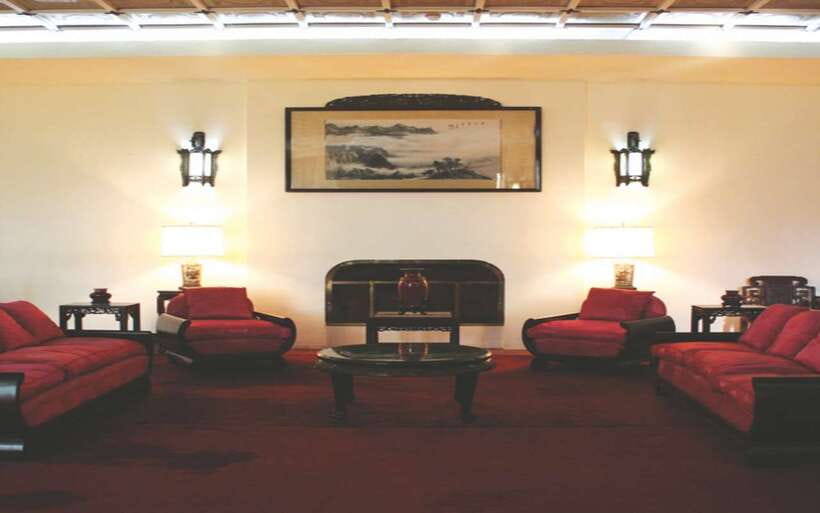
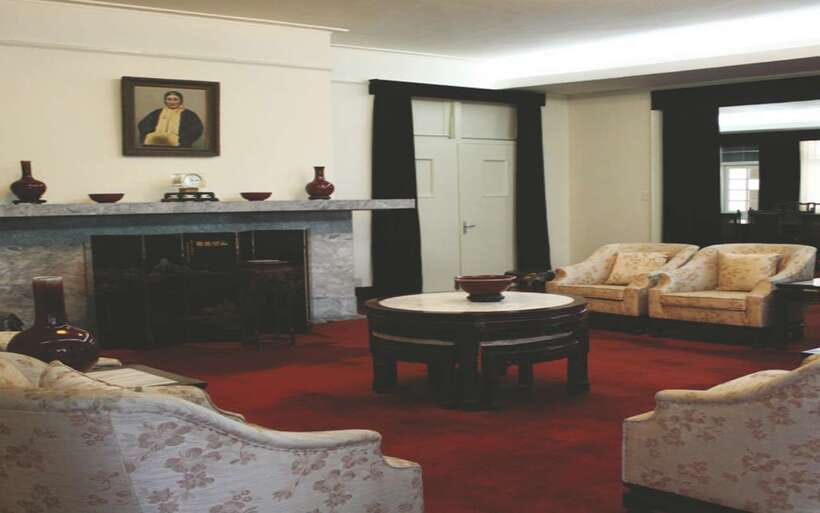
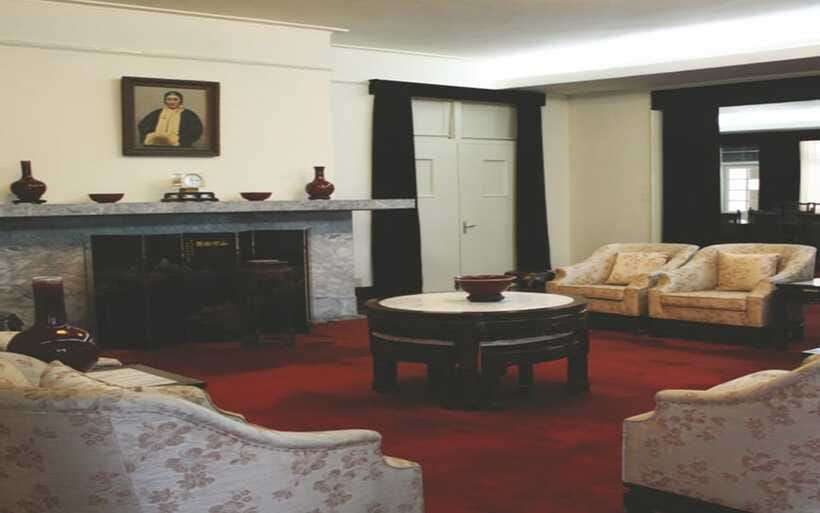
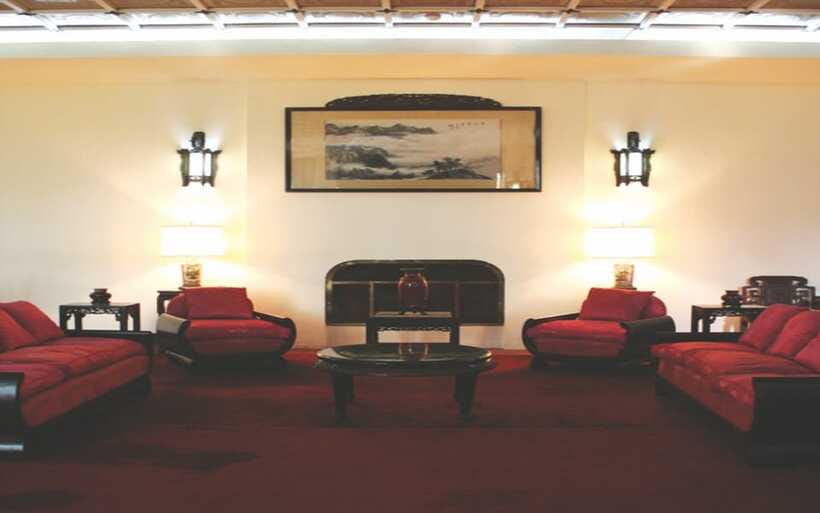
The living room is especially useful for understanding the residence. Its arrangement offers clues about family life, daily routines, and the way the couple used the house. You are not simply looking at furniture behind glass. The room setting helps turn a political biography into something more human and domestic.
The first and second floors also let you see how the residence functioned as a home rather than only as a symbolic site. The building’s modest size supports that impression. It is easier to picture people moving through a compact house than through an enormous official compound.
The audio guide adds context in three languages: Chinese, English, and Japanese. Since no live guide is included, this recording is important. It helps explain what you are seeing and gives the rooms a clearer connection to Taiwan’s political and cultural past.
You should also keep your expectations realistic. This is not described as a full-day tour with a long program of activities. The ticket is for a self-guided visit to the residence and its garden. That makes it flexible, but it also means the quality of your visit depends on how carefully you use the audio guide and examine the rooms.
The Inner Garden and a Quieter Side of the Household
The inner garden offers a change of pace after the main building. Chiang Kai-Shek and his wife enjoyed flowers, birds, and fish, and the garden reflects those interests.
This area is valuable because it shows a different side of the residence. The main building connects you to political power and security. The garden points toward personal taste and leisure. Flowers, bird feeding, and fish feeding may sound simple, but they help explain how the couple used the property when they were away from official duties.
I would not treat the garden as a separate major attraction on the scale of a large public park. Its value is tied to the house. See it after exploring the interior, when the contrast between public responsibility and private routine is fresh in your mind.
The garden also helps explain why the dark-green exterior made sense. The residence was surrounded by woods and greenery, and the building’s color helped it blend into that setting. The natural surroundings were not only pleasant. They were part of the property’s security design.
Chinese and Western Details in One House
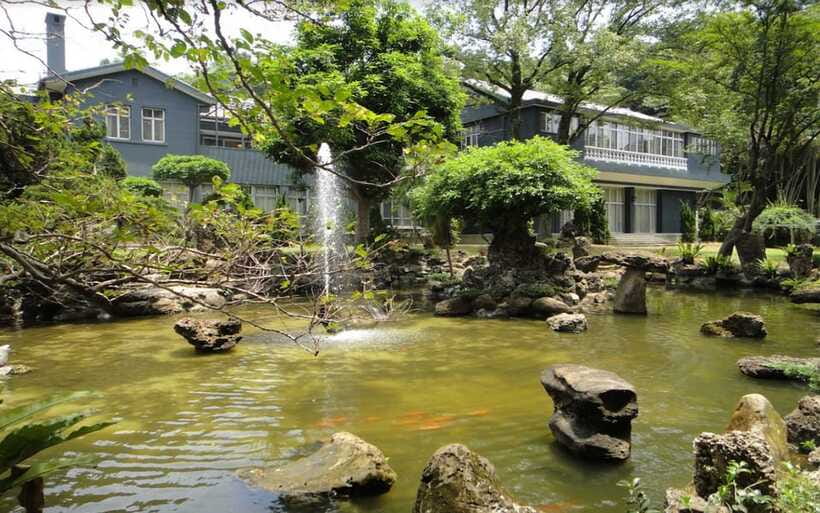
The architectural style is one of the more interesting parts of the visit. The residence combines Chinese and Western elements without turning the building into an elaborate display.
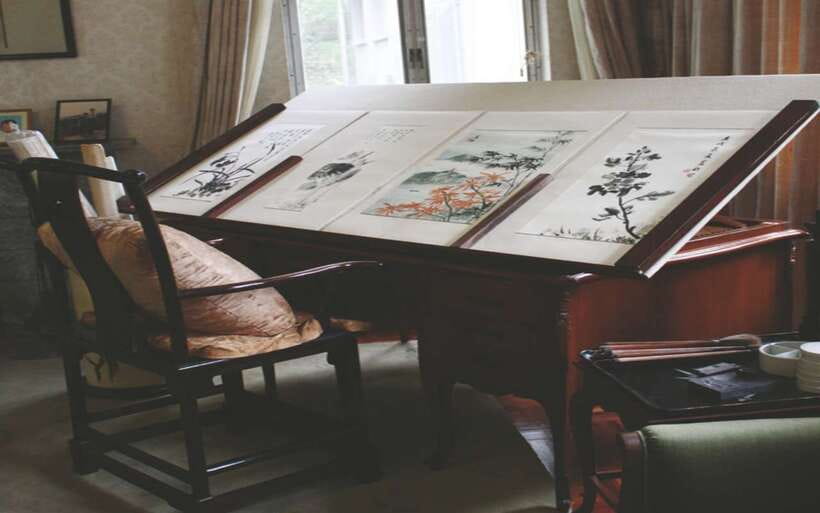
The slanted roof, wood, reinforced concrete, and restrained layout create a practical house. At the same time, the interior arrangement and garden reflect cultural preferences connected with the household. You can look for this mixture as you move through the building rather than expecting one clear style in every room.
That blend makes the residence useful for visitors who want more than a political memorial. It gives you a small example of how Taiwan’s built environment can bring different influences together. The building is not presented as a single grand architectural statement. Its interest comes from the way ordinary materials and personal spaces carry a wider story.
The dark-green paint also adds to the design story. It is easy to read the color as a simple choice, but its camouflage role shows how practical concerns shaped the appearance of the home.
Same base, a completely different day out:
- From Taipei: Shifen, Jiufen, and Yehliu Guided Day Trip
★ 4.6 · 1,654 reviews - Full-Day Private Custom Taipei City Tour
★ 5.0 · 911 reviews - From Taipei: Yehliu, Jiufen, and Pingxi Day Tour
★ 4.7 · 892 reviews - Taipei: Jiufen Night View and Shifen Day Tour
★ 4.6 · 870 reviews
How Long to Allow and When to Visit
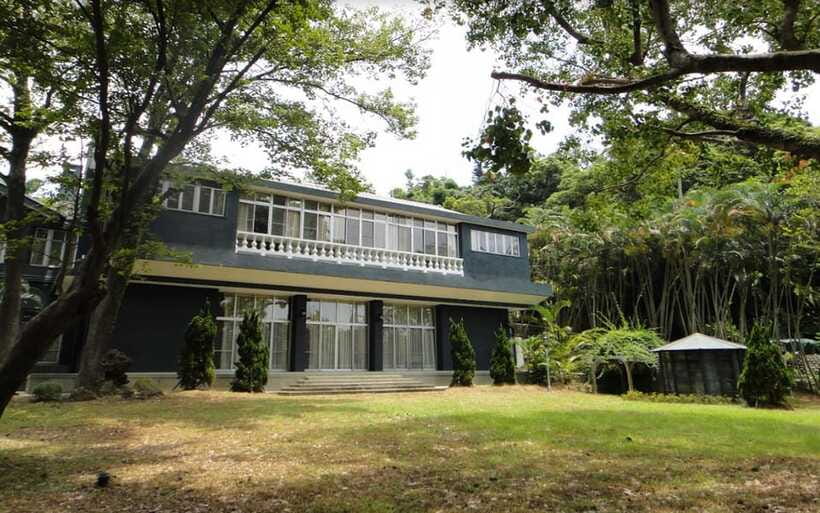
The ticket is valid for one day, but the visit itself is best treated as a short cultural stop within a Taipei outing. The available information does not set a fixed visit length, so I would plan around the building’s opening hours and give yourself enough time for both floors, the garden, and the audio guide.
The residence opens Tuesday through Sunday from 9:30 to 12:00, with last entry at 11:50. It reopens from 13:30 to 17:00, with last entry at 16:50.
The midday closure is the main planning issue. If you arrive near noon, you may have only a few minutes before the doors close. A morning arrival gives you a calmer window, while an afternoon visit works well if you arrive after 13:30. Do not cut it close to the final entry time if you want to hear the audio guide.
The residence closes on Mondays, during Chinese New Year, Qingming Festival, Dragon Boat Festival, and Mid-Autumn Festival. It also closes during regular maintenance, including a two-week period every September, as well as under special conditions.
Because holiday and maintenance closures can change your plans, check the current schedule before setting out. This is especially important if the residence is one of the main reasons for visiting the area.
What the $3.17 Ticket Gives You
At about $3.17 per person, this is a low-cost admission for a restored political residence, two floors of interior access, an inner garden, and an audio guide.
The value depends on what you want from a Taipei outing. If you enjoy historic homes, political stories, architecture, or quiet gardens, the price is easy to justify. You get a focused visit without paying for a large attraction or committing to a full guided day.
The ticket is less useful if you want a long tour filled with live commentary, transport, or many separate attractions. No personal expenses are included, and the experience is centered on the residence itself. You are paying for entry and interpretation, not a broad sightseeing package.
I like this kind of ticket for a flexible itinerary. You can pair the residence with other plans in northern Taipei without losing a full day. The one-day validity also gives you some room to organize your schedule, but the fixed opening blocks still matter.
Audio Guide, Rules, and Access
The audio guide is available in Chinese, English, and Japanese. For English-speaking visitors, this removes much of the uncertainty that can come with visiting a historic building without a live guide.
Use it as you move through the first and second floors. The guide should help connect individual rooms with the broader story of the residence, including its construction, expansion, restoration, and use by Chiang Kai-Shek and his wife.
A practical warning: expect rules inside the residence. The available feedback includes a five-star rating paired with the Indonesian comment Terlalu banyak larangan, which means there were too many restrictions. That does not identify each rule, so I would not assume the exact limits. Still, it is sensible to follow staff instructions carefully and treat the interiors as a protected historic site.
The residence is wheelchair accessible. That makes the visit more manageable for people who need step-free access, though the supplied details do not specify every route or facility. If you need precise access information, confirm it before arrival.
Entry requires you to present your QR code at the entrance. Keep it ready on your phone so you do not waste time at the door, especially if you arrive close to the final entry period.
Who Will Enjoy This Visit Most
I would recommend Chiang Kai-Shek Shilin Residence to you if you like historic homes, political history, domestic architecture, or small museums with a clear setting. The house gives you a more personal view of Chiang Kai-Shek and his wife than a formal political monument would.
It also suits you if you prefer a quiet visit with an audio guide rather than a large group tour. The three language options make it practical for international visitors, and the low ticket price keeps it easy to add to a day in Taipei.
Families and students may find the building useful as an introduction to Taiwan’s modern history. The house offers concrete details, such as the camouflage color, the 1949 foundation, and the restored living room, that can make broader historical topics easier to understand.
You may want to skip it if you are looking for a major attraction that fills most of a day. The residence is focused and compact. Its appeal comes from detail and setting, not scale.
Should You Book the Shilin Residence Ticket?
Book it if you want an affordable, self-guided look at an important Taiwanese political home. The strongest reasons are the restored interior, the inner garden, the Chinese-Western design, and the audio guide in three languages.
Plan around the Monday closure and the 12:00 to 13:30 break. Arrive with your QR code ready, allow time for both floors, and expect rules inside the historic rooms.
At $3.17, this is an easy choice for history-minded visitors and a good small stop for anyone building a day in northern Taipei. It is not a full sightseeing tour, but it offers a focused look at power, family life, architecture, and security in one compact setting.
FAQ
How much does admission to Chiang Kai-Shek Shilin Residence cost?
The listed price is $3.17 per person for a full-price ticket.
What does the ticket include?
The ticket includes entry to the first and second floors of the main building, the inner garden, and an audio guide.
Which languages are available for the audio guide?
The audio guide is available in Chinese, English, and Japanese.
What are the opening hours?
The residence is open Tuesday through Sunday from 9:30 to 12:00, then from 13:30 to 17:00. Last entry is at 11:50 in the morning and 16:50 in the afternoon.
Is Chiang Kai-Shek Shilin Residence wheelchair accessible?
Yes. The activity is listed as wheelchair accessible.
When is the residence closed?
It is closed on Mondays, during Chinese New Year, Qingming Festival, Dragon Boat Festival, Mid-Autumn Festival, regular maintenance, including two weeks every September, and under special conditions.
Just added around Taipei
- Taipei: Yangmingshan, Yehliu, and Jiufen Shifen Day Tour★ 5.0 · 6 reviews
- Taipei: Yangmingshan, Shifen, Jiufen & Yehliu Private Tour★ 4.9 · 11 reviews
- Taipei: Yangmingshan National Park Half-Day Tour★ 4.3 · 12 reviews
- Taipei: Private Tour with Locals – Highlights & Hidden Gems★ 4.7 · 14 reviews
- Taipei Private Custom Tour with a Local: Icons & Hidden Gems★ 3.7 · 6 reviews
- Taipei: Highlight Attractions Walking Tour★ 4.6 · 13 reviews
- Taipei: National Palace Museum and Taiwan Aborigines Museum★ 4.7 · 11 reviews
- Taipei Private Walking Tour with a Local★ 5.0 · 11 reviews
Tours in Taipei, compared.




Full-Day Private Northern Taiwan Tour from Taipei with Pickup
Read our review →
The Award-Winning Private Food Tour of Taipei: The 10 Tastings
Read our review →
Thousand Island Lake and Pinglin Tea Plantation
Read our review →Browse the lists this tour appears in