
Reviewed · KENTING TOURS
Kenting, Taiwan|PADI Basic Diving License Course|Taiwan Diving Open Water Course
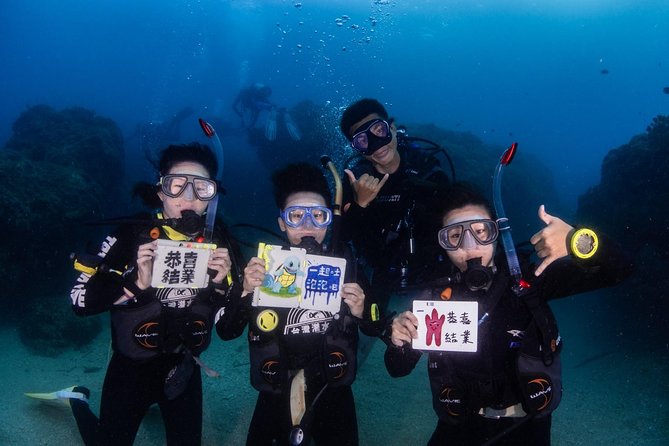
Kenting’s warm southern waters make a fine classroom for earning your first PADI Open Water certificate. This three-day course starts with careful practice in confined water, then moves to four marine sessions at Kenting National Park. You finish with the qualification needed to rent equipment, tanks, or a guide in many places around the world.
I like the unusually small coach-to-student ratio, listed as one instructor for every three students, and the practical extras: Suunto ZOOP computer watches, a buoyancy bag, lunch, and underwater photographs. English teaching can be arranged, and instructors named in course feedback include Alan, Octopus, Paul, Ryan, Caty, Japon, and Vincent.
The main catch is the fixed three-day schedule and strict cancellation policy. You need good health, a swimsuit, an ID photo, and enough time to complete every session. Poor weather can force a date change, so this is not the best choice for a tightly packed itinerary.
Key points before you book
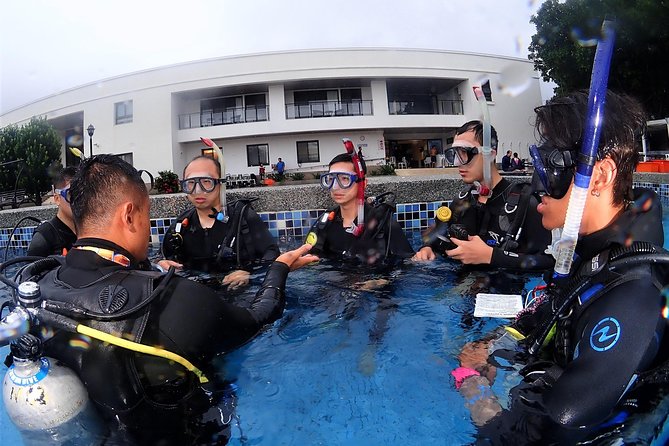
- Small classes: The planned coach-to-student ratio is 1:3, giving beginners more direct help with equipment and skills.
- Four marine sessions: The final two days include one or two sessions on Day 2, then Sessions 3 and 4 on Day 3.
- English instruction available: The course can be taught fully in English if requested.
- Useful equipment included: Scuba equipment, diving insurance, Suunto ZOOP computer watches, and a buoyancy bag are provided.
- Lunch is included: You receive lunch during all three course days, useful during long morning and afternoon sessions.
- Underwater photos: The instructor carries a camera during Open Water 4, so you may leave with photographs of your first certification experience.
What this PADI course really gives you
The PADI Open Water Diver certificate is an entry-level qualification accepted widely around the world. It teaches you the basic knowledge and skills needed to use scuba equipment, manage your air supply, control your buoyancy, and handle common underwater situations.
You are not simply being taken underwater for a look around. This is a training course, with classroom-style explanations, equipment work, confined-water practice, and supervised marine sessions. That makes the three days more demanding than a single introductory outing, but the result is much more useful.
After certification, you can rent equipment and tanks or hire guides for recreational scuba activities in many destinations. The course maximum is 18 meters, while the general recreational limit after certification is 40 meters. You should still build experience gradually and consider advanced training before attempting more demanding conditions.
The tone of the course appears designed for complete beginners. The schedule leaves room for repeated practice, and the small class format should help if you need a skill explained twice. That matters more than speed. A rushed first course can leave you certified on paper but uncertain in the water.
More of the south from Taiwan:
Meeting at Taiwan Dive Center in Hengchun
The meeting point is Taiwan Dive Center, at No. 55-60, Daguang Road, Hengchun Township, Pingtung County, Taiwan 946. The booking information labels the location as Kaohsiung, but the actual meeting address is in Hengchun, near Kenting National Park. Check your route carefully before booking accommodation or arranging transport.
The stated start time is 8:00 a.m. The first official schedule begins at 8:30, with registration and equipment allocation, so arriving early is sensible. You will need to complete forms, provide an ID photo, and be fitted with equipment before practical work begins.
The activity finishes back at the same meeting point on Day 3. Accommodation is not included. Some course feedback refers to clean accommodation at or near the center, with breakfast, an audio room, and shared sleeping arrangements, but you should not assume a room is part of this package. Ask the operator directly if you want to stay on site.
Day 1: equipment, confined water, and the basic skills
Day 1 begins with registration and equipment allocation from 8:30 to 10:00. This is when you get familiar with the gear, so do not treat it as paperwork you can rush through. A good fit for the mask, fins, buoyancy equipment, and other kit affects your comfort for the entire course.
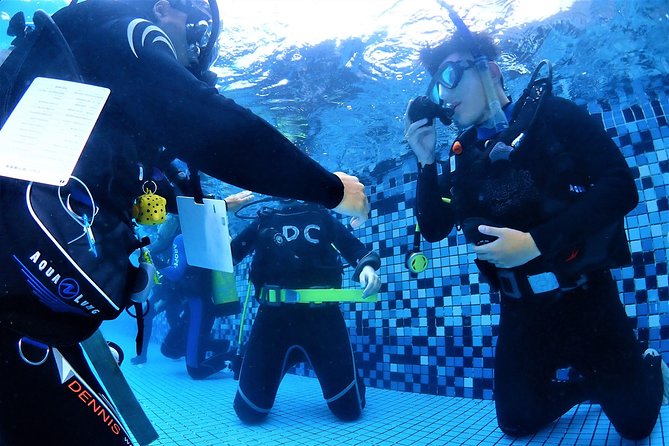
From 10:00 to noon, you practice in confined water. After lunch, training continues from 1:00 to 5:00. This is a long day, but it is the right place to spend time on fundamentals before moving into the sea.
You will work through the basic actions needed to operate safely underwater. The supplied information does not list every individual skill, so you should expect instruction rather than a fixed promise of a particular exercise sequence. The small class size should give the coach time to watch your technique and correct problems early.
The Suunto ZOOP computer watch is used throughout the course. A computer tracks important information during a session and helps you understand how depth and time affect your plan. For a beginner, using the same type of information you will later see on recreational trips is more useful than learning with a simple clock alone.
Lunch is provided each day. That sounds minor until you spend a full day handling equipment and practicing physical skills. You will want the break, especially because the afternoon session lasts four hours.
Day 2: your first marine sessions
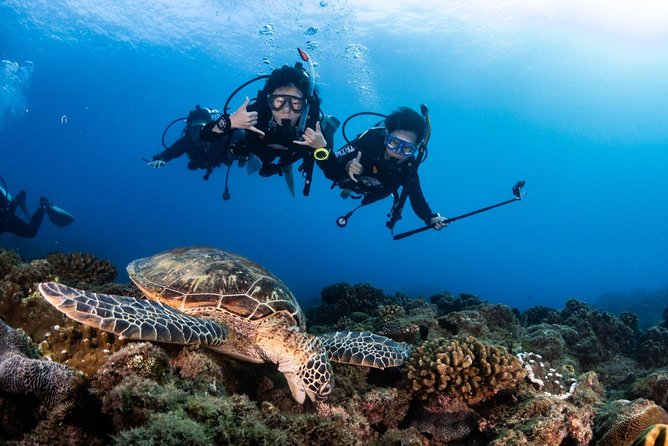
Day 2 begins at 8:30 a.m. and includes one or two marine sessions before lunch, running until noon. This is the point where the course shifts from controlled practice to actual open water. You will have to manage your skills while also responding to changing conditions, visibility, and the feel of the sea.
The schedule allows one or two sessions, which gives the instructor some flexibility. The exact plan depends on the actual situation, including conditions and student progress. That flexibility is helpful for safety, but it also means you should not expect every hour to unfold exactly as printed.
After lunch from noon to 1:30, the afternoon is set aside for discussion of scuba skills until 5:00. This review time is important. You can go over what felt awkward in the water, ask about equipment, and prepare for the next sessions rather than simply repeating the same mistakes.
Use this afternoon to be honest about what worries you. If mask clearing, buoyancy control, breathing, or equalizing feels difficult, say so clearly. The course is built around instruction, not bravado. Past course feedback specifically praises coaches for patience and careful attention, with Alan and Octopus named for teaching basic skills and Paul praised for clear instruction.
Same base, a completely different day out:
- From Taipei: Shifen, Jiufen, and Yehliu Guided Day Trip
★ 4.6 · 1,654 reviews - Full-Day Private Custom Taipei City Tour
★ 5.0 · 911 reviews - From Taipei: Yehliu, Jiufen, and Pingxi Day Tour
★ 4.7 · 892 reviews - Taipei: Jiufen Night View and Shifen Day Tour
★ 4.6 · 870 reviews
Day 3: Sessions 3 and 4, then certification
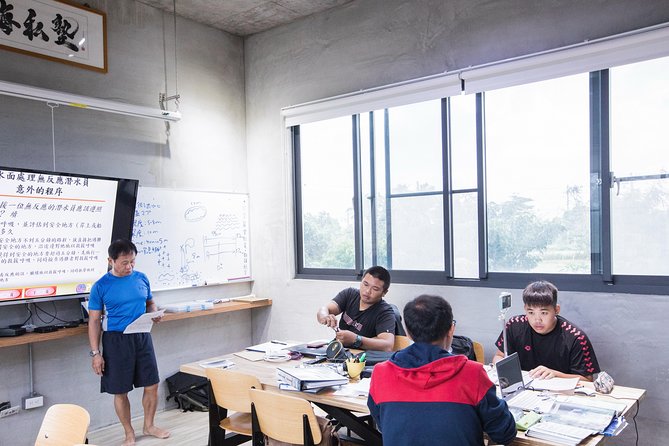
The final training day starts at 8:30 a.m. and includes the third and fourth marine sessions until noon. You should now be familiar with your equipment and the general rhythm of the course. The goal is to show that you can use your skills consistently under supervision.
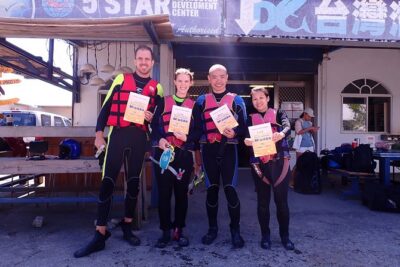
The schedule includes lunch from noon to 1:30, followed by more skills discussion until 4:00. The final two hours, from 4:00 to 6:00, are set aside for issuing the wall certificate and completing the course.
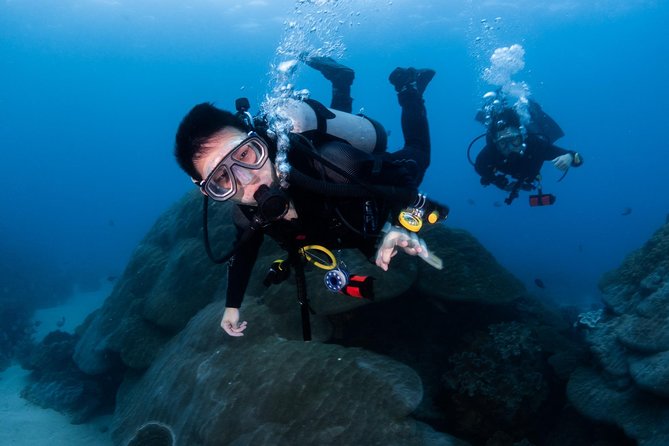
The instructor carries an underwater camera during Open Water 4. This is a pleasant extra, especially if you want a record of your first certified underwater session. It should not be the reason you book, but it adds a personal touch to a course that otherwise involves plenty of equipment checks and skill practice.
The certificate confirms completion of the entry-level course. It does not mean you should immediately attempt the deepest or most complicated conditions available. The sensible next step is regular practice, followed by advanced training when you feel ready.
Kenting National Park as your training setting
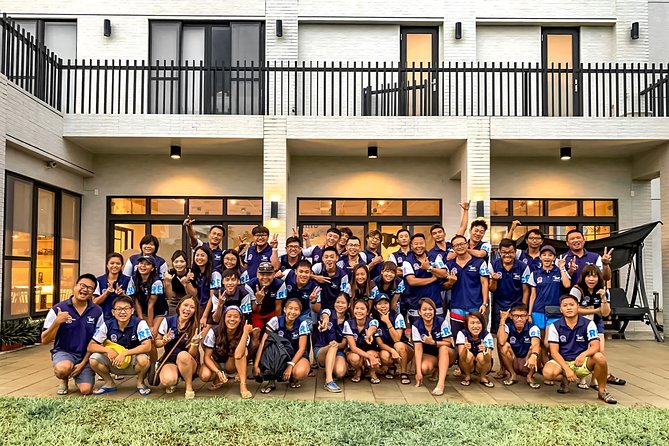
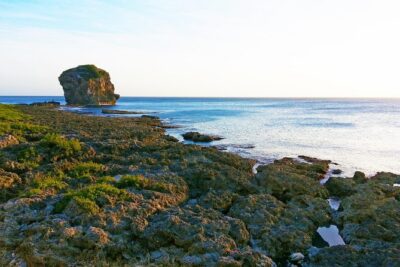
Kenting National Park gives the course its setting, but this is not a sightseeing trip with a little instruction added. Your main focus is learning to operate safely and calmly in the water.
The appeal of the area is practical. You get to move from confined-water work into marine sessions without leaving the course structure. The exact marine location and conditions are not specified, so underwater scenery, visibility, and wildlife should not be treated as guaranteed features.
That uncertainty is worth accepting for a certification course. The quality of your first training matters more than finding a particular fish or coral formation. If conditions change, the instructors may adjust the plan, and poor weather can lead to a different date or a full refund.
Equipment, insurance, and the useful extras
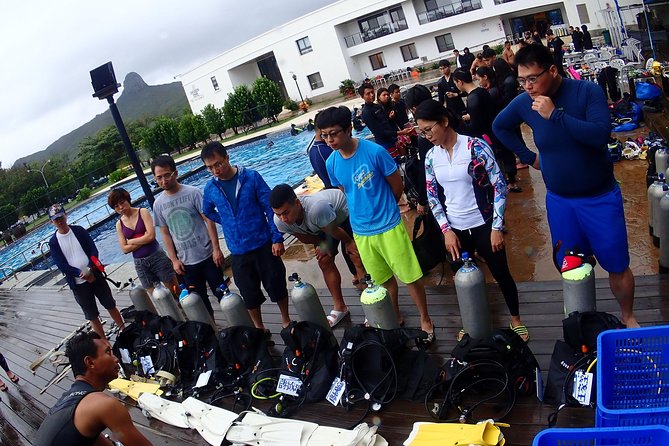
The $83 price includes scuba equipment, diving insurance, and lunch. For a three-day certification course, that makes the price look strong, since renting or buying all the required gear separately could add up quickly. The real value depends on whether the listed price applies to the full course in your booking, so check the final checkout details carefully.
The included Suunto ZOOP computer watches are a sensible touch. You do not have to arrive with your own computer, and you can learn to read a proper recreational instrument during training.
The buoyancy bag is another practical addition. It is intended to make underwater travel easier, and learning how it works can help you feel more balanced and controlled in the water. Beginners often focus only on breathing and movement, but buoyancy control is what makes scuba feel calm rather than tiring.
Lunch is provided during the course. Accommodation is not included, and transport to the meeting point is also not listed as part of the package. Plan for those costs separately.
English instruction and coaching style
The course can be arranged entirely in English. Request this before arrival rather than assuming an English-speaking instructor will automatically be assigned.
Several instructor names appear in course feedback, including Alan, Octopus, Paul, Ryan, Caty, Japon, Vincent, Hank, PT, Rabbit, Fat, and Small Grade. The specific coach for your booking is not guaranteed, but the repeated picture is of instructors who explain movements carefully and monitor students in the sea.
Caty is mentioned alongside Ryan for helping students through the full three-day experience. Japon and Vincent are noted for clear communication during a first-time course. Other feedback praises instructors for watching each student’s condition closely. These details matter because a beginner needs calm correction, not a coach who simply demonstrates once and moves on.
The 1:3 ratio is one of the strongest reasons to choose this course. It will not remove every challenge, but it gives you a better chance of receiving individual attention than a large class would.
Health rules and what to bring
You must be over 10 years old and in good health. If you have a medical condition, you should seek approval from your doctor before taking the course.
The supplied health warnings include respiratory conditions involving the bronchus or chest, diabetes, epilepsy, recent illness or surgery within one month, and ear disease or ear surgery. These conditions do not automatically explain every person’s eligibility, so medical advice and direct confirmation from the operator are important.
Bring your own swimsuit and an ID photo. An electronic ID photo is acceptable, and there is no stated size limit. The course provides equipment, but the swimsuit and identification photo remain your responsibility.
Because each day starts early and ends late, I would also keep your schedule clear around the course. Do not place an important departure immediately after the final session unless you have allowed plenty of time.
Who gets the best value from the $83 price
This course suits you if you want a real scuba qualification rather than a one-time underwater introduction. The price includes the major course-day basics: equipment, insurance, lunch, instruction, and the certification process.
It also suits you if you learn best through repetition. Day 1 is mostly confined-water training, Day 2 adds the first marine sessions, and Day 3 completes the remaining sessions. That gradual structure is more useful for a nervous beginner than being dropped straight into open water.
The course may not suit you if you have only one free afternoon, dislike early starts, or want a relaxed sightseeing activity. Three full days is a serious commitment, and the schedule can change with conditions.
The maximum group size is 20, but the advertised coach-to-student ratio is 1:3. Ask how many students are assigned to your particular class, since the total activity limit and the teaching ratio describe different things.
Booking, weather, and cancellation concerns
Confirmation is received when you book, and most people can participate if they meet the health requirements. The experience is non-refundable and cannot be changed for personal reasons, so check your dates carefully before paying.
Weather is the important exception. If poor conditions cause cancellation, you will be offered another date or a full refund. This is fair for a sea-based course, but you still need flexibility in your Taiwan itinerary.
The course ends at the original meeting point on Day 3. Since no accommodation is included, arrange your own stay near Hengchun or confirm whether the center has a separate lodging option.
Should you book this course?
Book it if you want a properly structured first qualification, can spare three days, and value patient coaching over a quick tourist activity. The small class ratio, English teaching option, included equipment, lunch, insurance, and underwater camera make the $83 price appealing.
I would be especially comfortable recommending it to a beginner who wants time to practice before reaching open water. I would be more cautious if your health is uncertain, your schedule cannot handle a weather change, or you need a guaranteed instructor and exact marine location in advance.
For a prepared beginner, this is a practical Kenting course with a clear progression from confined water to four supervised marine sessions. Bring your swimsuit, medical questions, ID photo, and patience. The certificate is useful, but the real prize is leaving with enough calm, repeatable skill to keep learning safely.
FAQ
Where does the course meet?
It meets at Taiwan Dive Center, No. 55-60, Daguang Road, Hengchun Township, Pingtung County, Taiwan 946.
What time does the course start?
The stated start time is 8:00 a.m. The Day 1 schedule begins registration and equipment allocation at 8:30 a.m.
How long does the PADI course take?
The course takes approximately three days. The schedule runs from morning into the afternoon on all three days.
Is the course available in English?
Yes. Full English teaching can be arranged if requested.
How old must you be to participate?
You must be over 10 years old.
What is included in the price?
Scuba equipment, diving insurance, and lunch are included. Accommodation is not included.
What should I bring?
Bring your own swimsuit and an ID photo. An electronic file is acceptable, and no photo size limit is stated.
What happens if bad weather cancels the course?
You will be offered a different date or a full refund if poor weather causes the activity to be canceled.
Just added around Taiwan
- Keelung Half-Day Food Tour: Explore Day & Night Markets★ 4.8 · 6 reviews
- Keelung: Guided Walking Tour with Snacks and Drink★ 3.9 · 8 reviews
- Iconic Food Tour: Local Street Food, Drinks & Sites★ 4.4 · 3 reviews
- Keelung: Shore Excursion Private 8H Taipei Urban Adventure★ 4.7 · 4 reviews
- Keelung: Heping Island Geopark Entry Ticket★ 5.0 · 3 reviews
- From Taipei: Private Yangmingshan Volcano and Nature Tour★ 5.0 · 9 reviews
- From Taipei: Taipingshan National Forest Private Day Tour★ 5.0 · 6 reviews
- From Taipei: Thousand-Island Lake & Tea Museum Private Tour★ 4.7 · 5 reviews
Kenting Tours, compared.
Private 4-Day Central & Southern Taiwan Tour (Sun Moon Lake, Kaohsiung, Kenting)
Read our review →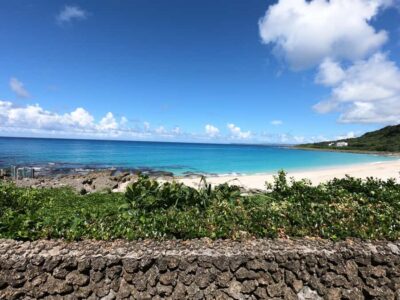
Kenting, Taiwan|Snorkeling Free underwater photography One-on-one with instructor|Taiwan Diving Snorkeling
Read our review →
Private 3-Day Southern Taiwan Tour (Tainan, Kaohsiung, Kenting)
Read our review →Browse the lists this tour appears in