
Reviewed · FOOD TOURS
Taiwanese Food Culture and Cooking Class
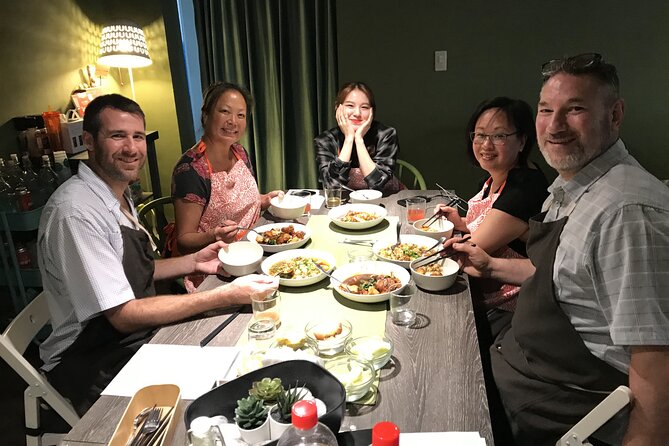
Taiwanese Food Culture and Cooking Class puts the most useful part first: you begin at Dongmen Market, learning how seasonal produce fits into everyday life before cooking with it. Your host, Wayne, brings nearly 30 years of culinary experience, along with lessons in Taiwanese home cooking from his mother and Sicilian home-style cooking from an Italian grandmother in Melbourne.
I like the market visit because it is more than a quick ingredient run, and I like the small-group format, which gives you room to ask about food, customs, and cooking methods. The main consideration is access: you must climb four flights of stairs to reach the studio, and the class may feel less suitable if you want a large, social cooking event.
Key points at a glance
- Dongmen Market comes first: Learn about seasonal produce, fruits, and everyday Taiwanese foods before cooking.
- Wayne leads the class: He combines Taiwanese family cooking with Sicilian home-style experience.
- Small class size: The course is designed for up to six students per session, though the booking information allows a maximum of 10 participants.
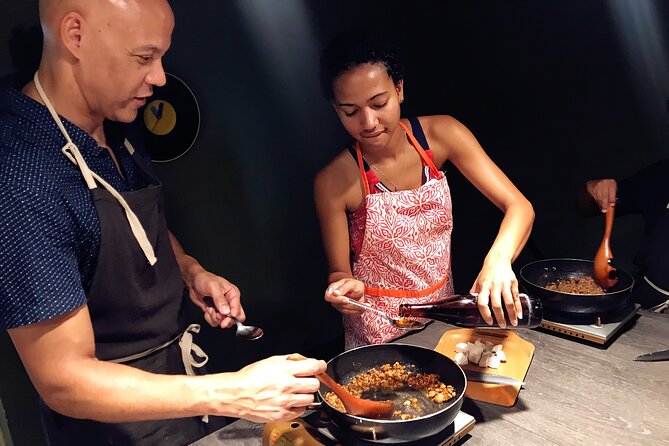
- Hands-on cooking: You cook in a clean, fully equipped studio rather than simply watching a demonstration.
- Recipes suit international cooks: English, Chinese, and Japanese versions are available if needed.
- Dietary needs can be discussed: Vegan menus and other special requirements may be arranged before booking.
Starting with Taiwanese food at Dongmen Market
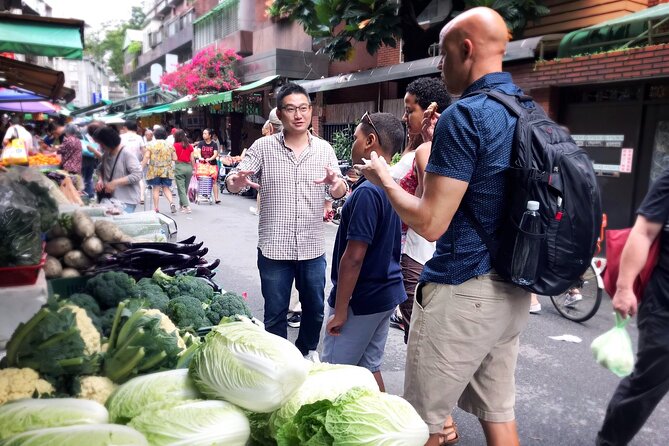
The day begins at 9:30 a.m. at No. 168, Section 2, Xinyi Road, in Taipei’s Da’an District. From there, you visit Dongmen Market with Wayne before heading to the cooking studio.
This first stop gives the class its local feel. Instead of treating the market as a place to collect ingredients as quickly as possible, Wayne uses it to explain seasonal produce and fruits. You also have the chance to taste foods and drinks that may be unfamiliar to you but are part of ordinary life in Taiwan.
That distinction matters. A cooking class can teach you how to follow a recipe, but the market helps you understand why certain ingredients appear on a Taiwanese table. You can ask questions while the food is still in its everyday setting, not just after it has been measured and placed in bowls.
The market portion also gives you a better sense of Taiwanese food habits. The supplied information does not promise a fixed list of dishes or samples, so you should expect the exact foods to vary. The daily theme and seasonal produce shape what you see and taste.
I consider this a strong start for anyone who wants context, not just a meal. If you have already spent time exploring Taipei’s food stalls and markets, the stop may feel familiar. Even so, Wayne’s explanations and the chance to connect market ingredients with cooking techniques add purpose to the visit.
Other kitchens to cook in around Taipei:
- Xiao Long Bao, Beef Noodles & Boba Tea Cooking Class in Taipei
★ 5.0 · 159 reviews - Xiao Long Bao, Chicken vermicelli with mushroom and sesame oil, Tofu strips salad, Bubble milk tea. Taiwan Traditional Delicacies Experience-A (Taipei Cooking Class)
★ 5.0 · 79 reviews - Taipei Cooking Class & Market Adventure in Historic Dadaocheng
★ 5.0 · 77 reviews
From market ingredients to a Taipei home kitchen
After the market, the experience continues in a cozy, home-style cooking studio. The space is fully equipped and described as clean and spacious, which is important in a class where you will be preparing food rather than standing at the edge of a demonstration.
The aim is to make the session feel like cooking in a Taiwanese home. That does not mean you should expect a formal restaurant kitchen or a polished culinary-school setup. Instead, the setting is meant to support conversation, practical instruction, and familiar home cooking.
Wayne’s background gives the class an unusual angle. He learned traditional Taiwanese home cooking from his mother. Later, while living in Melbourne, Australia, he learned Sicilian home-style Italian cooking from an Italian grandmother. The experience is focused on Taiwanese food, but that broader background gives you a natural opening to discuss differences between cuisines and food customs.
One particularly useful point is the teaching style. Wayne’s relaxed manner should help if you are not confident in the kitchen. You can ask about techniques, ingredients, sightseeing, and cultural differences while you work. That makes the class more personal than a tightly scripted demonstration.
A previous participant specifically praised the stir-fry instruction and the spacious, clean cooking lab. Stir-fry technique is a practical skill to take home because it depends on timing, heat, preparation, and the order in which ingredients enter the pan. The exact dish can change by daily theme, so you should not book expecting one guaranteed menu unless the provider confirms it in advance.
What the four-and-a-half-hour schedule really gives you
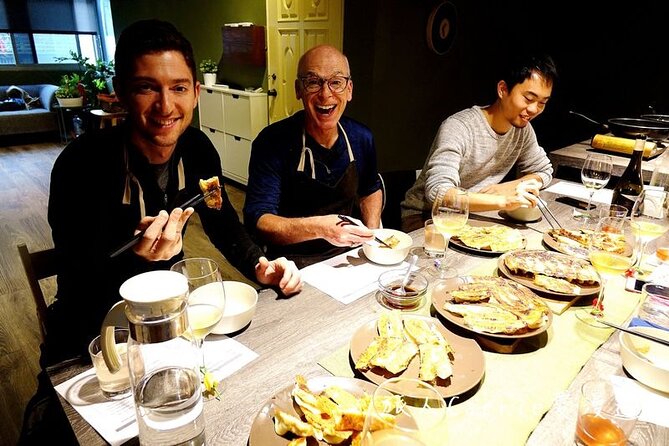
The listed duration is about four hours and 30 minutes. That is long enough to include the market, food sampling, conversation, preparation, cooking, and time to work through the recipes without turning the whole session into a rushed demonstration.
The schedule begins in the morning, which suits the market visit. You will need to plan around the 9:30 a.m. start and allow enough time to reach the meeting point in Da’an District. The activity ends back at the starting point, so you do not need to arrange a separate return location.
The length is also part of the value. At $130 per person, this is not a low-cost way to get a quick meal. You are paying for a half-day activity that combines a guided market visit, food samples, instruction, ingredients, a cooking studio, and cultural conversation.
I would judge the price by how much participation you want. If you mainly want to eat Taiwanese dishes, you can find cheaper food experiences in Taipei. If you want to understand ingredients, practice cooking, and leave with recipes in a language you can use, the price is easier to justify.
The course is best for people who enjoy a slower pace. You are not being moved from one attraction to another. The value comes from time spent asking questions and connecting the market to the kitchen.
A class shaped by daily themes and seasonal ingredients
Each day features different themes from Taiwanese cuisine. This keeps the experience from feeling like the same fixed lesson for every booking, but it also means you should ask about the scheduled theme if a particular dish matters to you.
The focus on seasonal produce is another strength. Seasonal ingredients are not simply decorative additions here. They give Wayne a way to explain what people in Taiwan buy and eat during a particular period. You may come away with a better sense of how Taiwanese home cooking changes with the calendar.
The class also includes recipes in English, Chinese, and Japanese if needed. That is a useful detail for anyone who wants to recreate the food at home. A recipe is far more valuable when you can actually read and use it after the trip.
The available information does not list the number of dishes, the exact recipes, or the cooking equipment used for each session. I would treat the class as a guided introduction to Taiwanese home cooking rather than a fixed professional curriculum. The experience is strongest when you are open to the day’s ingredients and theme.
More eating your way around Taipei:
- The Award-Winning Private Food Tour of Taipei: The 10 Tastings
★ 5.0 · 716 reviews - Taipei: Food Tours w/ Top 10 Taiwan Food (Breakfast/Dinner)
★ 4.7 · 517 reviews - Taipei: Private Food Tour – 10 Tastings with Locals
★ 4.9 · 218 reviews - Taipei: Street Food & Hidden Eats Night Market Food Tour
★ 4.8 · 112 reviews
Why the small class matters
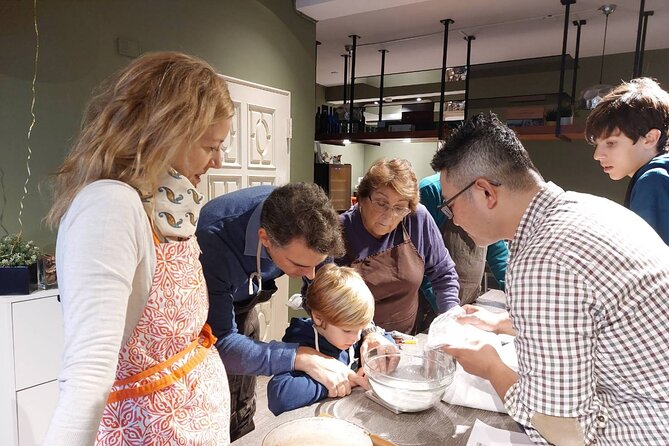
The course is built around a small group. The description gives a maximum of six students per session, while the additional booking details list a maximum of 10 participants. That difference is worth clarifying before you pay, especially if class size is a major reason for booking.
Even with the larger stated maximum, this is a smaller format than a standard sightseeing group. You should have more chance to speak with Wayne, watch the cooking process closely, and get help with your own technique.
The format also supports the stated goal of discussing Taiwanese daily life and local customs. Food questions often lead to useful cultural conversations, such as why an ingredient is common, how it is prepared at home, or how cooking habits differ between countries.
The tradeoff is that a small class depends more on group chemistry. If you prefer a lively, crowded food event with many people, this quieter setting may not be your ideal match. If you like asking questions and working at your own pace, the format is a better fit.
Dietary requests, stairs, and other practical details
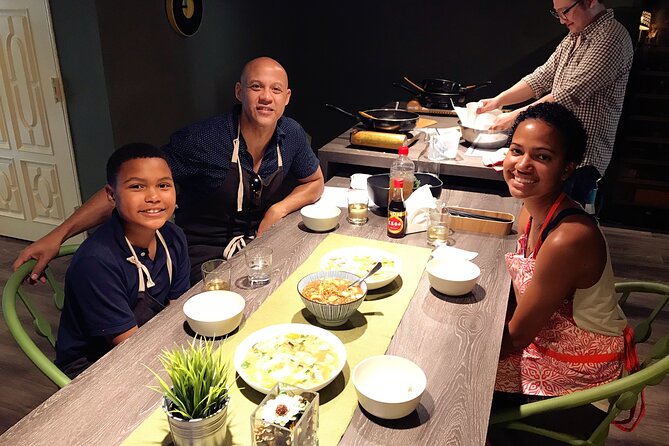
A vegan menu is available on request. Other special dietary requirements can be discussed and catered for before booking, including both the market tour and cooking class. Do not wait until the morning of the experience. Contact the provider before booking so the menu and market portion can be considered properly.
The studio is not served by an elevator. You need to climb four flights of stairs, so this experience may not work for anyone who cannot manage that ascent.
The meeting point is near public transportation, which makes the Da’an District location practical to reach. The activity uses a mobile ticket, and confirmation is provided at the time of booking. Service animals are allowed.
The tour has a free cancellation policy when you cancel at least 24 hours before the local start time. Cancellations or changes made less than 24 hours before the start are not refunded or accepted. The experience also requires a minimum number of participants, so if the provider cancels for that reason, you can choose another date or experience or receive a full refund.
Who will get the most from this cooking class
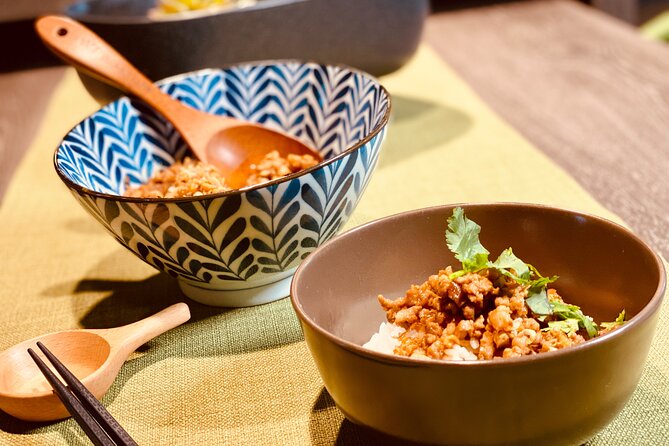
I would choose this experience if you want food to be your way into Taiwanese daily life. The market visit, conversations with Wayne, and home-style cooking focus give you more context than a meal alone.
It suits beginners because the atmosphere is relaxed and the instruction is hands-on. It also suits experienced home cooks who want to ask more detailed questions about ingredients and technique. The international recipe options make it easier to continue cooking after you return home.
Families, couples, and small groups of friends can all fit the format, provided everyone is comfortable with the stairs and the half-day schedule. The class is also a good option for someone who has already visited Taipei’s major sights and wants an activity centered on local life.
You may want to skip it if you need a guaranteed menu, dislike morning activities, or want a quick and inexpensive food stop. The daily theme and seasonal market selection are part of the appeal, but they also mean the experience is not built around one fixed dish.
Is the $130 price fair?
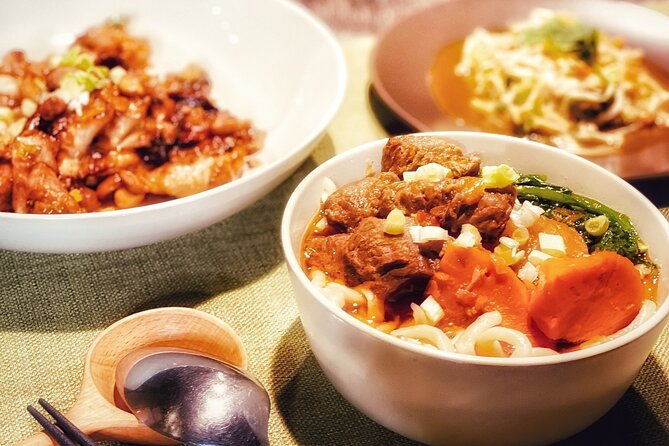
At $130 per person, this class sits in the premium range for a food activity. I would not recommend comparing it only with the cost of a restaurant meal, because the experience includes several parts: a market visit, tastings, instruction, ingredients, use of the studio, conversation, and recipes.
The strongest value comes from the personal teaching. Wayne’s nearly 30 years of culinary experience and his family-based background in Taiwanese cooking give the class a clear point of view. You are not simply following generic instructions from an anonymous instructor.
The value is also practical. You can ask about ingredients as you see them at the market, try techniques in the kitchen, and take recipes away in English, Chinese, or Japanese. That combination can make the class worthwhile for someone who cooks at home.
Still, the cost is significant. If your main goal is to sample Taiwanese food, Taipei offers many less expensive options. I would book this class when you want an activity that teaches as much as it feeds you.
Should you book Make My Day Cooking Lab?
Book it if you want a personal, small-scale food experience built around Taiwanese home cooking rather than a standard sightseeing stop. The best reasons are the Dongmen Market visit, Wayne’s cooking background, the chance to sample unfamiliar everyday foods, and the hands-on work in a clean studio.
Before booking, confirm the daily theme, the expected class size, and how your dietary needs will be handled. Also make sure you can climb four flights of stairs.
For a visitor who values conversation, practical cooking skills, and a better understanding of Taiwan’s food culture, this is a strong choice. For anyone seeking a cheap meal, a fixed menu, or a large group event, the price and format may not be the right fit.
FAQ
Where does the cooking class begin?
It begins at No. 168, Section 2, Xinyi Road, Da’an District, Taipei City, Taiwan 106.
What time does the experience start?
The start time is 9:30 a.m.
How long does the cooking class and market visit last?
The full experience lasts approximately four hours and 30 minutes.
Does the experience include Dongmen Market?
Yes. Dongmen Market is the first stop, where you learn about seasonal produce and fruits and may sample foods and drinks.
Who teaches the class?
The host and instructor is Wayne. He learned Taiwanese home cooking from his mother and Sicilian home-style cooking from an Italian grandmother while living in Melbourne, Australia.
How many people can join?
The class is designed to have a maximum of six students per session. The booking information also states a maximum of 10 participants for the activity.
Are recipes provided?
Yes. Recipes are available in English, Chinese, and Japanese if needed.
Is a vegan menu available?
Yes. A vegan menu can be provided on request.
Can other dietary requirements be accommodated?
Special dietary requirements can be discussed and catered for before booking, including requirements connected with the market visit and cooking class.
Is the studio accessible by elevator?
No. There is no elevator, and you need to climb four flights of stairs.
Can I cancel for a full refund?
Yes, if you cancel at least 24 hours before the local start time. Cancellations or changes made less than 24 hours before the start are not refunded or accepted.
More historical tours around Taipei
- From Taipei: Pinglin Tea Culture and Maokong Guided Day Tour
★ 4.8 · 104 reviews - Pinglin Tea Culture & Maokong Day Tour from Taipei
★ 5.0 · 35 reviews - Taipei’s Origin & Longshan Temple – Taiwan Cultural Walking Tour
★ 5.0 · 25 reviews - Private Keelung Cultural Walk: Markets, Streets & Local Life
★ 5.0 · 23 reviews
Just added around Taipei
- Keelung: Shore Excursion Private 8H Taipei Urban Adventure★ 4.7 · 4 reviews
- Keelung: Heping Island Geopark Entry Ticket★ 5.0 · 3 reviews
- Iconic Food Tour: Local Street Food, Drinks & Sites★ 4.4 · 3 reviews
- From Taipei: Private Yangmingshan Volcano and Nature Tour★ 5.0 · 9 reviews
- From Taipei: Taipingshan National Forest Private Day Tour★ 5.0 · 6 reviews
- From Taipei: Thousand-Island Lake & Tea Museum Private Tour★ 4.7 · 5 reviews
- From Taipei: Old Gold Rush Town Jiufen Guided Night Tour★ 4.4 · 5 reviews
- From Taipei or Taichung: Sun Moon Lake Day Trip & Boat Ride★ 4.6 · 5 reviews
Food Tours, compared.
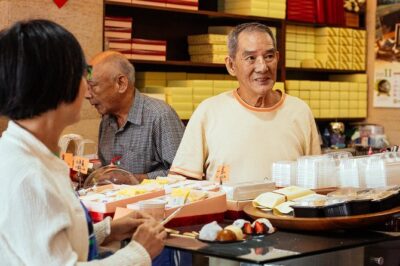
The Award-Winning Private Food Tour of Taipei: The 10 Tastings
Read our review →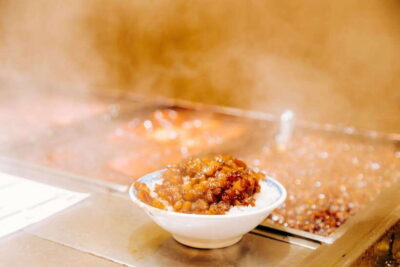
Food Tours w/ Top 10 Taiwan Food (Breakfast/Dinner)
Read our review →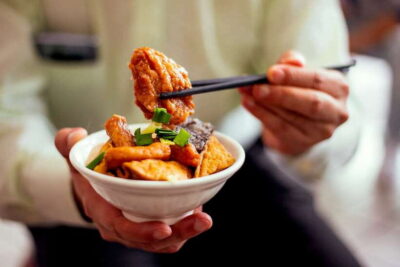
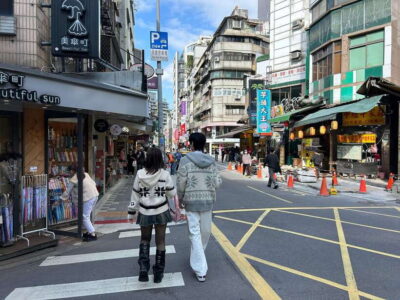
Street Food & Hidden Eats Night Market Food Tour
Read our review →
Taipei Hidden Eats, Market & Street Food Tour with 8+ Tastings
Read our review →
Taipei Food Tour: Night Market & Convenience Store(Food Included)
Read our review →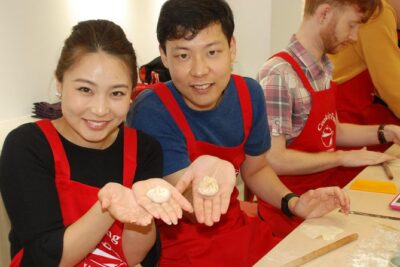
Browse the lists this tour appears in